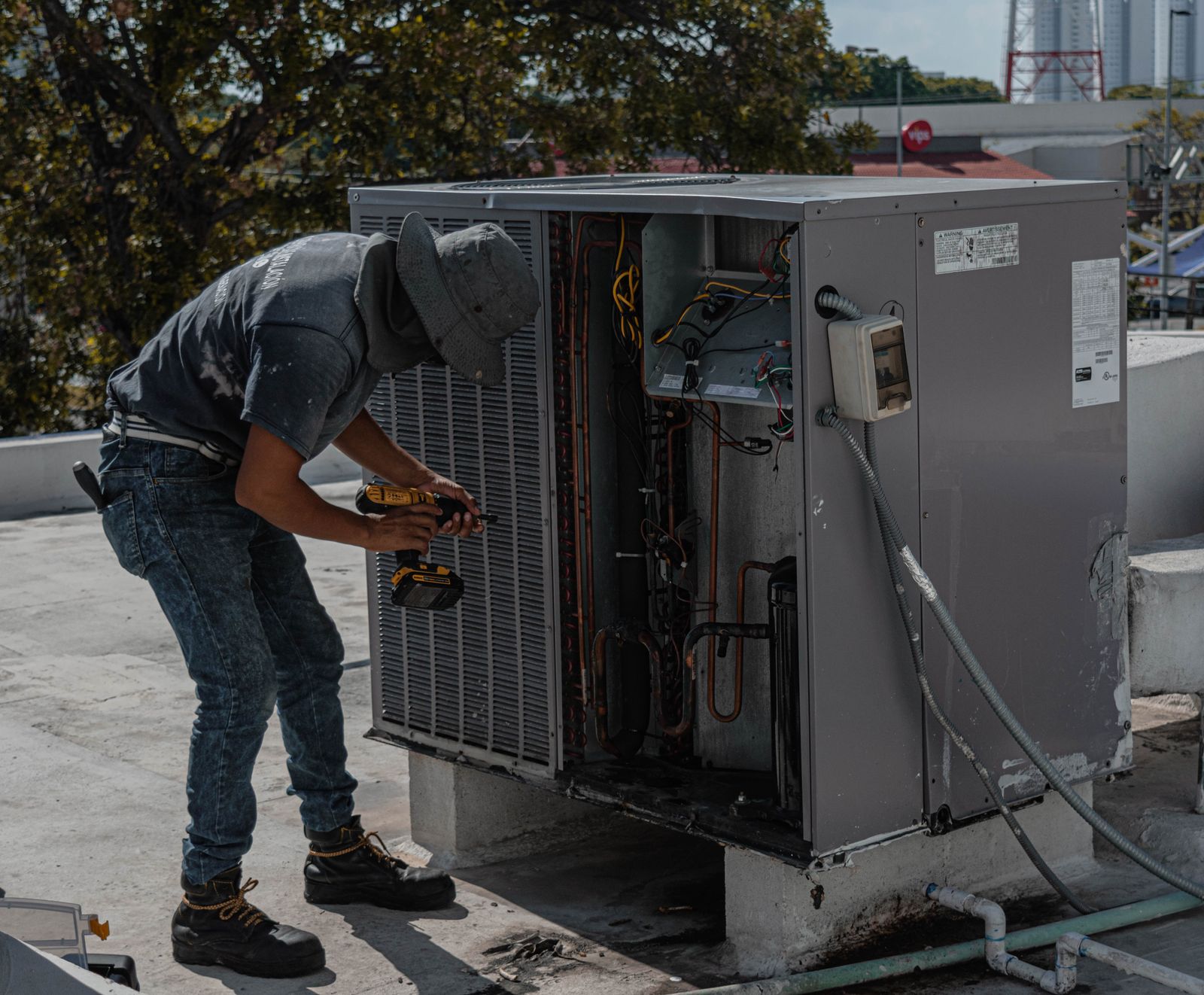
Chicago doesn’t give HVAC contractors a quiet season. The city goes from wind chills that bottom out at -25°F in February to heat indexes pushing 110°F in July, and homeowners feel both extremes in the same calendar year. For HVAC contractors working the Chicago metro, that sounds like opportunity, and it is. But opportunity and closed revenue are different things.
The Chicago market is also one of the most price-competitive in the country. You’ve got national franchises, regional chains, and hundreds of local one-truck operators all chasing the same homeowner who just had their AC quit on a 95-degree Thursday. The moment you hand over a proposal, there’s a decent chance they’re calling two other companies before dinner.
That’s the real challenge. Not the climate. The competition.
What Makes Selling HVAC in Chicago Different
Most HVAC sales training is designed for the sunbelt, Phoenix, Houston, Miami, where cooling is the main event and homeowners are used to high-ticket system replacements. Chicago is different in a few ways that actually matter for how you train your reps.
First, the housing stock. A lot of Chicago’s bungalows, two-flats, and colonials were built between 1910 and 1970. That means old ductwork, undersized systems, and homeowners who’ve been deferring maintenance longer than they want to admit. It also means more complex jobs, not just a straight equipment swap, which makes pricing conversations harder and more nuanced.
Second, the heating season drives a different kind of urgency. In a market like Dallas, if your AC fails in October, you’re uncomfortable. In Chicago, if your furnace fails in January, you have a real emergency. That emergency urgency changes the conversation. Homeowners who are calm and comparison-shopping in July become very different buyers when they’re looking at a broken furnace at 11pm in January.
The best Chicago HVAC reps know how to work both modes: the consultative summer conversation about AC efficiency and the faster, trust-based close when heat goes out in February. That range is teachable, but only if your training actually covers it.
Third: there’s the price-shopping habit. Chicago homeowners, particularly in the collar counties (DuPage, Kane, Lake, Will), are skeptical shoppers. They’ve been told their whole lives to get multiple bids on anything over a certain dollar amount. Overcoming that without being pushy, making them feel like they’re making a smart decision by choosing you today, requires a specific skill that generic sales training doesn’t address.
The AC Replacement Conversation (July Version)
Right now, in the middle of summer, your reps are dealing with homeowners whose central air died. The urgency is real, but so is the potential to oversell or under-explain.
The common mistake: techs who turn into sales reps lead with equipment specs and BTUs. They quote the most efficient unit, throw out a big number, and then watch the homeowner “think about it” until they can get another bid from the guy who showed up on Yelp.
What actually works is simpler. Discovery first, always.
Before quoting anything, your rep needs to understand three things: How long has this system been struggling (not just failing, struggling)? What’s the homeowner’s experience been with the house during hot weather? And what’s their actual concern, the upfront cost, the monthly utility bills, or just getting cool air back as fast as possible?
Those three questions change the entire framing of the conversation. A homeowner who says “we’ve been running it at 80° all summer because it can’t keep up” is already halfway sold on a replacement: they just need someone to confirm what they already suspect. A homeowner who says “it worked fine until two days ago” might be looking for a repair, not a new system, and pushing them toward a $6,000 replacement before they’re ready will cost you the sale and the review.
Your reps need to learn to read that distinction. It comes from asking and listening, not from launching into the pitch.
Training Techs to Sell Without Becoming Salespeople
Most Chicago HVAC revenue comes from service calls that turn into replacements. Your techs are already in the house. They have the relationship, the credibility, and the timing. But most of them don’t think of themselves as salespeople and don’t want to.
This is the key tension in HVAC sales training: you can’t make a 15-year veteran tech feel like he’s being converted into a closer. He’ll resist it, and if he resists it in front of a homeowner, you’ve lost both the sale and his trust.
The reframe that works: he’s not selling. He’s consulting. His job is to give homeowners accurate information about their system’s real condition, their actual options, and what the consequences of each option are. If he does that well, the homeowner makes an informed decision, and the right decision is usually the one that solves the problem.
That reframe has to be baked into your training. It’s not just words: it changes the scripts your reps use, the way they present options, and how they handle the price conversation. A consultant says “here’s what I found and here are your options.” A salesperson says “let me tell you why the premium unit is worth it.” One of those conversations creates trust. The other creates resistance.
The AI sales coaching for HVAC contractors that’s actually making a difference with Chicago companies right now works because it reinforces this consultant framing in real calls, not in a classroom two months before a homeowner ever sees the rep.
The Getting-Three-Bids Problem in Chicago
Here’s a script your reps will hear constantly in the Chicago suburbs: “We want to get a couple more estimates before we decide.”
It’s not always a brush-off. Sometimes it’s genuine. This homeowner has been burned before, or they’re conservative with money, or they just feel like they should. The mistake is treating it like an objection to overcome with a clever line.
The real answer to “we’re getting other bids” is not a counter-argument. It’s a conversation about what they’re comparing. What are they actually evaluating when they get those other quotes? Price per ton? Brand? Warranty? Financing terms?
Most homeowners don’t know what to compare. They’re going to get three numbers and pick the middle one, or choose whoever was nicest, or go with the company that shows up first with a good financing offer. Your rep’s job is to help them understand what actually matters, and then demonstrate why your proposal addresses those things better than a number on a sheet of paper from someone they’ve never met.
That’s not manipulation. That’s education. And it only works if the rep has actually done the discovery to know what this specific homeowner cares about.
One more practical note: in Chicago, same-day closes are harder than in some other markets, but they’re not impossible. The data from companies using virtual ride-along coaching tools shows that reps who do thorough discovery in the first 20 minutes close same-day at significantly higher rates, even in competitive markets. Discovery isn’t a warm-up to the real conversation. It IS the conversation.
The Furnace Conversation: Planning for Fall Now
If it’s July and your reps aren’t mentioning the heating season, they’re missing revenue.
Not aggressively, there’s a way to plant seeds that doesn’t feel like upselling. Something like: “While I’m here, I do want to mention that if your furnace is more than 15 years old, fall is actually a great time to assess it, before the rush hits and we’re backed up three weeks out. No pressure today, just something to think about.”
That one sentence, delivered naturally by a rep who isn’t gunning for commission, generates callbacks in September and October when furnace season starts. Chicago homeowners want to be proactive; they just need someone to remind them there’s a window.
This is also where a lot of Chicago HVAC contractors miss an opportunity with existing customers. The best-performing companies run a summer-to-fall follow-up cadence, not aggressive, just a touchpoint, that keeps them top of mind when heating season starts and homeowners realize their furnace hasn’t been serviced in three years.
What Consistent Training Actually Looks Like
One ride-along per month doesn’t change behavior. Three-day sales bootcamps produce two weeks of enthusiasm, then a slow return to habits. The companies that are actually moving their close rates in Chicago are the ones treating training as an ongoing process, not an event.
That looks like: regular debrief conversations about real calls, systematic coaching on specific objections that show up repeatedly, and some form of feedback loop so reps know where they’re winning and where they’re losing before the homeowner ghosts them.
SalesAsk’s AI coaching platform records, analyzes, and surfaces the moments in actual calls where reps are leaving money on the table, not hypothetical scenarios, but the real conversations happening in the field. For Chicago contractors where the summer volume is high and manager bandwidth is stretched, it’s the only way to get consistent coaching without hiring a full-time sales trainer.
One contractor in the home services space described it this way: they were able to identify that their best closing rep handled the budget conversation in the first 10 minutes of every call, while their average reps avoided it entirely until the end. Once they made that a training focus, close rates improved across the team. That pattern was invisible until they had a systematic way to look at it.
See how that kind of coaching works in practice: Cache’s team uses SalesAsk to onboard new HVAC reps without manager babysitting.
The Bottom Line for Chicago Contractors
The Chicago HVAC market rewards contractors who can sell year-round without burning out their crews, and who can close competitive bids without getting into price wars they can’t win. That’s a training problem, not a talent problem.
Most of your reps are capable of closing more than they do. The gap isn’t skill. It’s process, consistency, and feedback. What they do in the first 15 minutes of a call matters more than any closing line they use at the end. And what happens between calls, the coaching, the debrief, the systematic improvement, matters more than any single appointment.
If you’re running HVAC in the Chicago metro and your close rate is stuck, the season you’re in right now is the best time to change it. Volume is high, patterns are visible, and the improvements you build in July will carry straight into furnace season.
Related Topics: Chicago HVAC sales training, HVAC contractor sales coaching, AI coaching for HVAC technicians, home services sales training Illinois, HVAC replacement sales scripts, closing HVAC estimates, HVAC rep training program

Related articles

Ready to convert
every conversation?
See exactly what’s holding your team back and fix it fast.
.avif)