Atlanta is one of the most demanding HVAC markets in the country, and not in the obvious ways.
The heat is real — Georgia summers push demand from April through October, which means HVAC companies here aren’t fighting for seasonal bursts, they’re managing sustained pressure across seven months. But the harder problem is what happens when demand is everywhere at once and your reps are running four, five, six estimates a day. Volume is not the bottleneck. What’s actually breaking down is consistency — the fact that your best tech closes 70% of replacement quotes and your newest guy closes 35%, and you don’t have enough hours in the week to figure out why.
That gap is what HVAC-specific AI sales coaching was built to close.
Why Atlanta’s HVAC Sales Environment Is Different
Start with the climate. Atlanta’s summers are genuinely brutal — heat index values above 100°F for weeks at a stretch, homes that can’t tolerate more than a day without a functioning system, and homeowners who are not in a patient mood when they call. Emergency replacement situations happen fast. The homeowner’s threshold for “we need to make a decision today” is lower than in more temperate markets, which creates a sales window that’s narrow and emotionally charged.
That’s an advantage for reps who know how to work it and a liability for reps who don’t.
The competitive density is the other pressure. Metro Atlanta has more HVAC companies per capita than most Sunbelt cities. The franchises — Service Experts, One Hour, ARS — are well-funded and aggressive on advertising. Independent operators compete on relationship and trust, which means every in-home appointment is a referendum on how well your tech built connection and handled the price conversation.
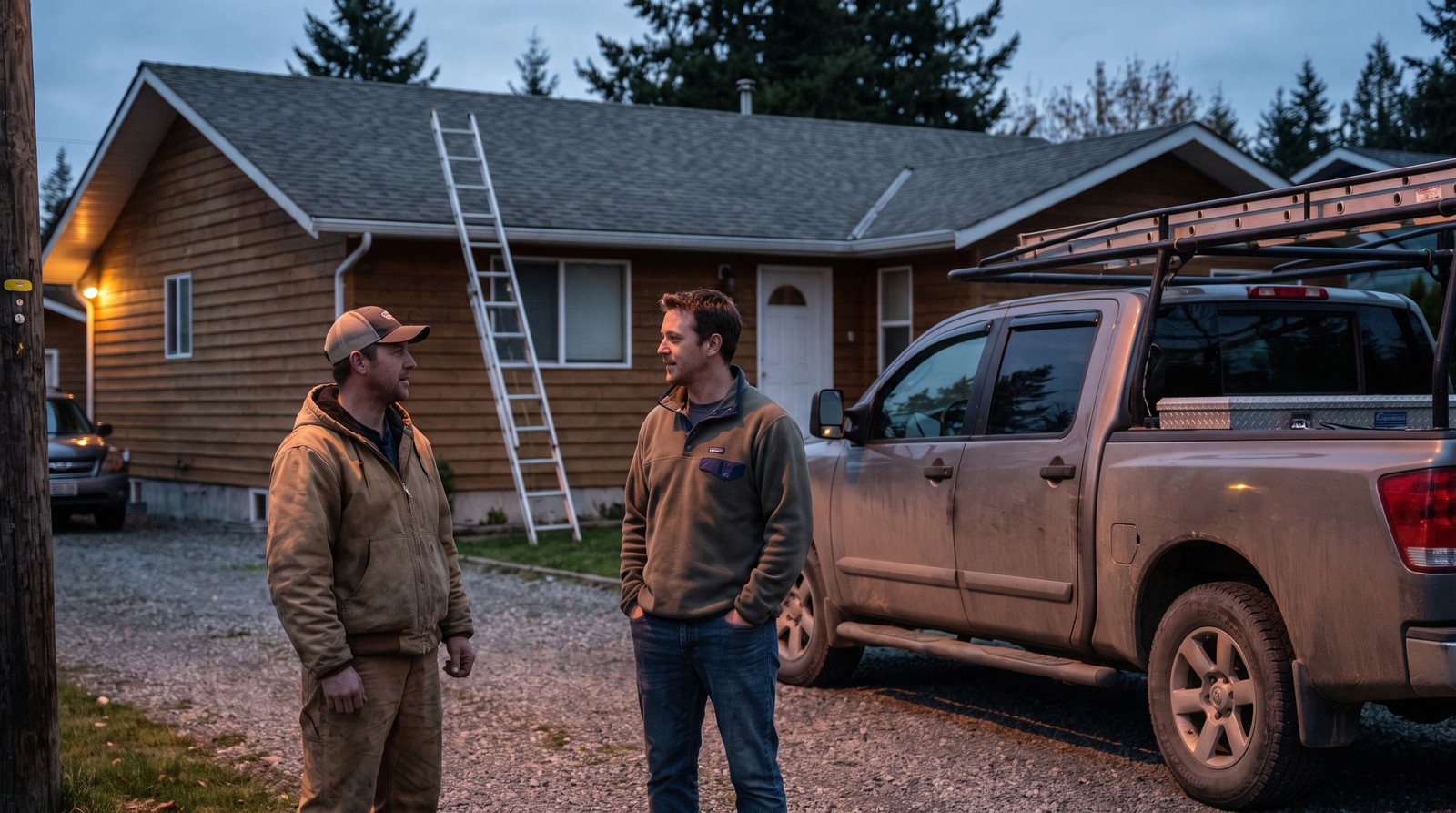
What most Atlanta HVAC owners will tell you, if you get them to be honest, is that they’ve watched good leads walk out the door. The tech showed up on time, diagnosed the problem correctly, knew the product — and still didn’t close. Not because they lacked technical knowledge but because the conversation got awkward at the pricing moment, or they couldn’t handle the “I want to get another quote” without caving.
What Standard HVAC Training Misses
The traditional answer to this is ride-alongs and morning sales meetings. It works for top performers — they sharpen what they already know. It doesn’t work for the middle of the team, because the middle of the team isn’t getting feedback on the 95% of their calls that no manager ever hears.
An HVAC company running 10 technicians across Metro Atlanta is generating maybe 300-400 in-home appointments a month. If a manager rides along on three calls a week, they’re reviewing less than 5% of what’s actually happening in the field. The other 95% is invisible — which means the coaching that matters most is happening almost nowhere.
AI coaching changes the ratio. Every call gets recorded and analyzed. Every rep gets a score and specific feedback on what happened in their conversations this week. Managers see patterns across the whole team instead of anecdotes from the few calls they happened to observe.
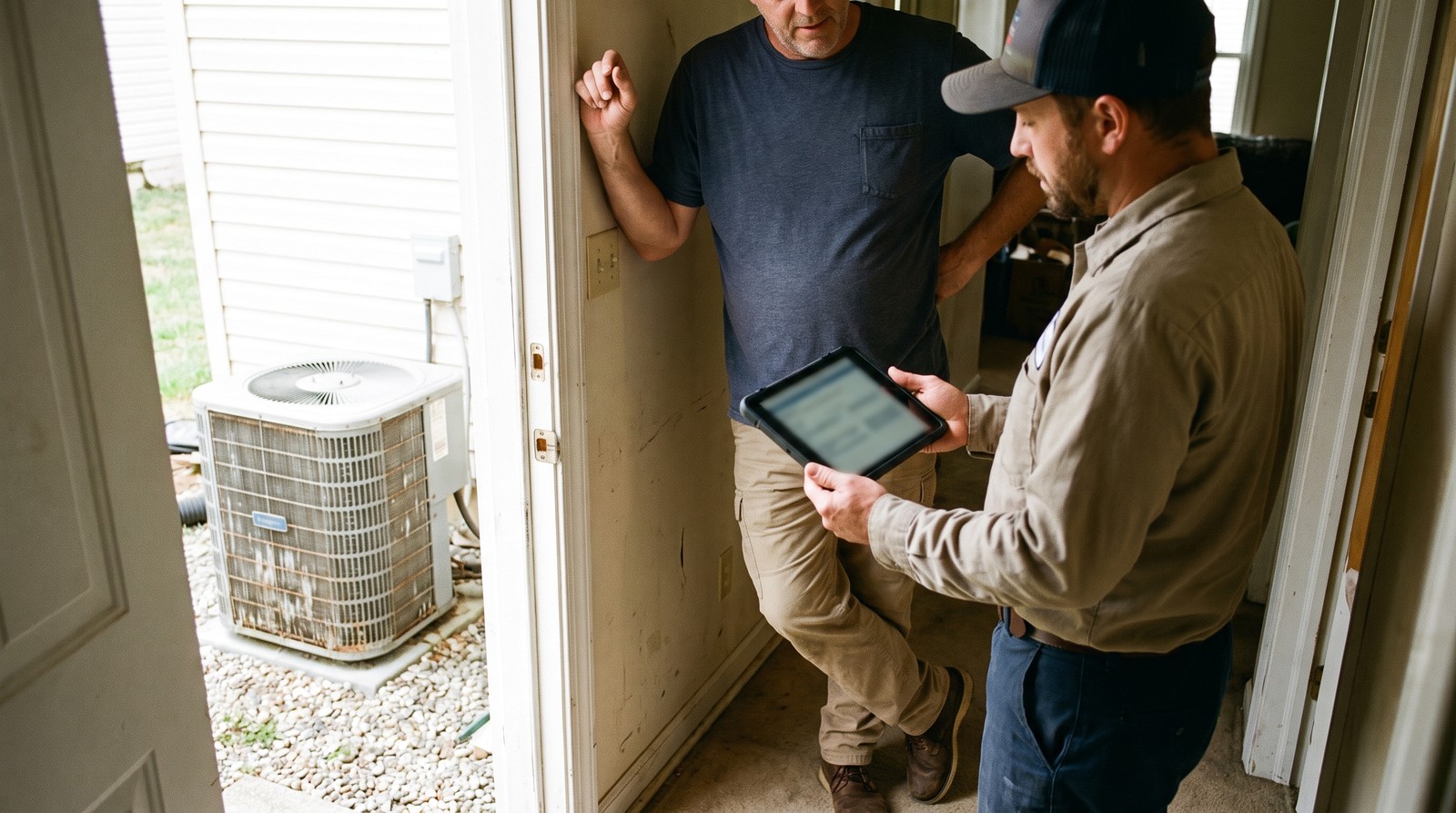
For HVAC contractors in particular, the feedback that tends to move numbers is granular: where in the conversation did the rep transition to price? Did they present financing as an option before the homeowner asked about it? When the homeowner said “that’s more than I expected,” what did the rep do in the next 30 seconds? These moments determine close rates more than almost anything else, and they’re nearly impossible to capture without conversation-level analysis.
The Specific Patterns in Georgia’s HVAC Market
Atlanta buyers have some tendencies that show up consistently in how experienced local contractors describe their market.
The three-bid habit is deeply established. Unlike markets where homeowners still make quick decisions, Atlanta homeowners in the $5,000-$15,000 system replacement range have been trained — by years of contractor advertising and consumer advice — to get multiple quotes. Reps who don’t anticipate this and build trust early in the conversation lose the job to a competitor who shows up second or third and does a better job of connecting.
Financing is a bigger factor than most reps handle well. Georgia household income distribution means that a $12,000 system replacement is a meaningful financial decision for a lot of households, even those that could afford it. Reps who introduce financing naturally and early — “most of our customers use our 12-month financing, here’s what that looks like” — close more jobs than reps who wait for the homeowner to ask. AI coaching surfaces when this moment gets skipped.
Storm and humidity damage creates urgency situations that can go wrong quickly. When there’s been a heat event or a stretch of extreme humidity, reps see customers who are stressed and sometimes combative. Managing the emotional tone of those conversations — validating the frustration without conceding on price — is a skill that separates experienced closers from everyone else.
What Improvement Actually Looks Like
Ekon Bath, a home services company using SalesAsk for their sales team, tracked the gap between their best and median closer at 22 percentage points when they started. Six months in, the gap was 11 points — not because the top performer got worse but because the AI coaching feedback helped middle-of-team reps understand and replicate the specific behaviors that drove closes. See how they did it.
For HVAC teams, the improvement timeline is similar. The first few weeks of AI coaching tend to surface the same two or three issues across a team — usually something around price handling, something around objection response, sometimes something around qualification at the beginning of the appointment. Once those patterns are identified and addressed in coaching sessions, close rates tend to move within 60-90 days.
That’s not a marketing claim — it’s what happens when you go from coaching 5% of calls to coaching 100% of calls.
Getting Started
Atlanta HVAC companies running four or more technicians are at the scale where rep-to-rep performance variation becomes a meaningful revenue problem. If your best tech and your median tech are closing at materially different rates, and you’re running a high volume of appointments, the math on closing that gap is significant.
The practical starting point is getting a baseline: what is each rep actually doing in their conversations? Where does the performance gap come from? That analysis is what AI coaching provides in the first few weeks — not a training program, but a diagnostic that tells you exactly what to fix.
If you’re an Atlanta HVAC contractor running 15+ appointments a week and you’ve never had visibility into what’s actually happening in those conversations, the gap between where you are and where you could be is probably larger than you think.
See how SalesAsk works for HVAC teams.
Related Topics: HVAC sales training Atlanta, Georgia HVAC contractor coaching, Atlanta HVAC close rate improvement, AI sales coaching for HVAC, in-home HVAC sales training, HVAC objection handling, AI coaching for technicians

Related articles

Ready to convert
every conversation?
See exactly what’s holding your team back and fix it fast.
.avif)