Seattle HVAC Sales Training: AI Coaching for Pacific Northwest Contractors
Dara Shabnam
Head of Growth, SalesAsk
July 27, 2026
On this page
Seattle used to be an easy market to avoid the hard HVAC conversation. You didn’t need to sell cooling because nobody really needed it. The weather was moderate, homes didn’t have ducts, and most homeowners politely declined anything beyond a furnace tune-up.
Then came 2021.
The heat dome that hit the Pacific Northwest in late June 2021 killed over 100 people in Washington state. Temperatures hit 108°F in Seattle. A city where 75% of homes had no air conditioning. After that week, the HVAC market in the Pacific Northwest changed permanently. Homeowners who spent their whole lives thinking they didn’t need AC started calling contractors by the hundreds. Many still are.
But here’s what most HVAC contractors in Seattle haven’t caught up to: this market shift didn’t just create demand. It created a selling environment unlike any other city. And the same old sales training you brought from Phoenix or Atlanta won’t work here.
Why Seattle HVAC Sales Is Different From the Rest of the Country
In Dallas or Miami, selling cooling systems is almost automatic. The homeowner already knows they need AC. The conversation is mostly about which system and what it costs.
Seattle is different. You’re often selling against decades of mild-weather thinking. Homeowners here grew up not needing cooling. They’re educated, skeptical, and more likely to research your margins online than a homeowner in Houston. And increasingly, they’re not just asking about AC. They’re asking about heat pumps, electrification, and Puget Sound Energy rebates.
The sales conversation in Seattle in 2026 often goes somewhere like this:
“We’re interested in replacing our old gas furnace. We’ve been reading about heat pumps. We want to eventually get off gas entirely but we’re not sure if the economics work yet. Also we saw PSE has rebates. Does that affect the price?”
That’s not a homeowner who just wants to stay cool. That’s a homeowner who’s done two hours of research and has four competing priorities.
Your reps need to be trained for that conversation specifically, not for a generic in-home sales pitch.
The Heat Pump Conversation (What Most Reps Get Wrong)
Heat pump adoption in Seattle is accelerating faster than almost anywhere else in the country. Washington state’s clean energy policies, aggressive utility rebates from Puget Sound Energy, and the cultural emphasis on sustainability are all pushing homeowners toward heat pump systems.
This creates an unusual sales challenge: you’re often selling a solution the homeowner wants conceptually but doesn’t fully understand technically.
Most reps make one of two mistakes:
Mistake 1: Over-explaining the technology. They spend 20 minutes on how vapor compression cycles work, COP ratings, and HSPF2 efficiency numbers. The homeowner’s eyes glaze over. They say they want to “think about it.”
Mistake 2: Underselling the switch. They treat a gas-to-heat-pump conversion like a standard equipment replacement. They don’t address the real concerns: will it actually heat my home on a 25°F January night? What happens to my gas range? What’s the payback timeline?
The right approach sits between these. Acknowledge the homeowner’s knowledge, they’ve clearly done research, and position yourself as the person who can help them handle the specific details for their home.
“A lot of homeowners we talk to have similar questions. The rebates are real. PSE is currently offering up to $1,200 on qualifying heat pump installs, and there’s also the federal 25C tax credit. What I want to make sure is that we’re looking at a system that actually handles your home’s heating load in January, not just during a summer heat wave.”
That reframe, from generic pitch to specific-home consultation, is what separates reps who close 50% of Seattle heat pump conversations from reps who close 20%.
Objections You’ll Hear in Seattle That You Won’t Hear Anywhere Else
Every market has its objections. Seattle’s are distinct.
“We only need AC two or three months a year.”
This objection is fading after 2021, but it still comes up. The correct response isn’t to argue about climate change. It’s to redirect toward value:
“That’s true, and that’s actually an argument FOR a heat pump over a standalone AC system. A heat pump replaces your heating AND cooling in one unit. So you’re not paying extra for a system you only use in summer. You’re replacing the heating system you’re already planning to replace anyway, and getting cooling as part of it.”
“I want to wait for the technology to mature.”
Heat pump skepticism runs higher in the Pacific Northwest than in warmer markets. Respond with specifics:
“The technology is pretty mature at this point: we’re installing Mitsubishi and Daikin systems that are rated to heat efficiently down to -13°F. We’re in Seattle, not Fairbanks. What specific concern do you have about performance?”
Get them to name the actual objection. Usually it’s cost, not technology.
“Your competitor quoted us $4,000 less.”
Seattle homeowners comparison-shop more aggressively than most markets. Don’t panic and don’t immediately discount:
“I’d be curious what’s in that quote. Sometimes the difference is equipment tier, sometimes it’s what’s included in the install: electrical upgrades, duct modifications, permitting. Can you share what they quoted? I want to make sure we’re comparing the same scope.”
Often the difference is legitimate. It’s a lower-tier unit or excludes electrical panel work. Sometimes it isn’t, and the competitor is low-balling. Either way, you’re gathering information rather than immediately conceding on price.
How AI Sales Coaching Changes the Game for Seattle Contractors
The challenge with HVAC sales training in Seattle isn’t that reps don’t want to improve. It’s that the conversations are complex enough that generic coaching doesn’t help.
Traditional ride-alongs let a manager observe one rep in one conversation. The problem: even if the manager catches every mistake, they can only watch three or four calls a week. The other forty conversations your reps are having? No one’s reviewing those.
SalesAsk’s AI sales coaching platform analyzes every conversation, not just the ones a manager happened to tag along for. In markets like Seattle where the heat pump conversation requires nuanced handling, that coverage matters enormously. A rep who’s fumbling the PSE rebate explanation on Tuesday can get specific coaching feedback by Thursday. By next week, they’re presenting rebates correctly.
The real-world impact shows up in close rates. One HVAC operator using AI coaching saw new hire ramp-up time drop from 90 days to 45, with consistent improvement in first-appointment close rates across their whole team, not just the reps who happened to get ride-alongs.
For Seattle contractors dealing with the heat pump transition, that kind of systematic feedback isn’t a nice-to-have. It’s how you build a team that can handle sophisticated buyers asking sophisticated questions.
Building a Seattle-Specific Sales Training Program
If you’re running an HVAC operation in Seattle or the broader Pacific Northwest, here’s what a training program needs to actually cover:
1. Local rebate literacy. Every rep needs to know current PSE rebates, the federal 25C tax credit amounts, and any local utility incentive programs. Not memorized, but fluent. Homeowners have already Googled this.
2. Heat pump performance in cold weather. Cold-climate heat pumps (Mitsubishi Hyper Heat, Daikin Fit, Bosch) perform differently from standard units. Reps should be able to explain what “rated down to -13°F” means in plain English and address the “but what about January?” concern specifically.
3. Ductwork and electrical realities. Many Seattle homes built before 1990 were never designed for forced air. Reps need to set realistic expectations about duct modifications and panel upgrades, and present these as part of a complete solution, not as scary add-ons.
4. The total-cost-of-ownership frame. Seattle homeowners respond to this more than most. Monthly utility savings + rebates + tax credits against the total install price. Reps who can walk through a simple back-of-envelope calculation on-site have a significant advantage over reps who just present a lump-sum price.
5. Handling educated skeptics. Seattle has a high concentration of engineers, tech workers, and sustainability-minded homeowners who’ve researched this more than your reps have. Reps need to be comfortable saying “that’s a great question: let me pull up the spec sheet” rather than winging it.
None of this happens from a one-day training. It happens through repetition, feedback, and review of real conversations.
The Bottom Line for Pacific Northwest Contractors
Seattle’s HVAC market in 2026 is bigger than it’s ever been. The demand created by 2021’s heat dome, combined with aggressive state and utility incentives, means homeowners are actively looking to replace old gas systems with heat pumps. The competition is fierce, margins are tight, and buyers are educated.
The contractors who win aren’t the ones with the lowest prices. They’re the ones whose reps can walk into a kitchen table conversation, understand what the homeowner has already researched, address the real objections specific to Pacific Northwest HVAC, and present a compelling case for acting now.
That doesn’t happen by accident. It happens through systematic training, real conversation review, and coaching that’s specific to how Seattle homeowners actually talk about HVAC.
If your close rates are stuck and your reps keep losing deals to lower-priced competitors, the issue probably isn’t price. It’s how those conversations are being handled. Book a demo and we’ll show you what that looks like.
Related Topics: Seattle HVAC sales training, Pacific Northwest HVAC contractor coaching, heat pump sales training, AI sales coaching HVAC, HVAC sales training Washington state, Puget Sound Energy rebates HVAC sales, heat pump objection handling
About the author
Dara Shabnam
Head of Growth, SalesAsk
Dara Shabnam leads growth at SalesAsk. She writes about in-home sales training, recording consent, and what the recorded conversations of home service and trades teams show about how jobs are actually won.
Dara Shabnam
About SalesAsk
Written by the SalesAsk team
SalesAsk records and coaches in-home sales conversations for home service, home improvement and home builder teams.
More postsKeep reading
All posts


Seattle used to be an easy market to avoid the hard HVAC conversation. You didn’t need to sell cooling because nobody really needed it. The weather was moderate, homes didn’t have ducts, and most homeowners politely declined anything beyond a furnace tune-up.
Then came 2021.
The heat dome that hit the Pacific Northwest in late June 2021 killed over 100 people in Washington state. Temperatures hit 108°F in Seattle. A city where 75% of homes had no air conditioning. After that week, the HVAC market in the Pacific Northwest changed permanently. Homeowners who spent their whole lives thinking they didn’t need AC started calling contractors by the hundreds. Many still are.
But here’s what most HVAC contractors in Seattle haven’t caught up to: this market shift didn’t just create demand. It created a selling environment unlike any other city. And the same old sales training you brought from Phoenix or Atlanta won’t work here.
Why Seattle HVAC Sales Is Different From the Rest of the Country
In Dallas or Miami, selling cooling systems is almost automatic. The homeowner already knows they need AC. The conversation is mostly about which system and what it costs.
Seattle is different. You’re often selling against decades of mild-weather thinking. Homeowners here grew up not needing cooling. They’re educated, skeptical, and more likely to research your margins online than a homeowner in Houston. And increasingly, they’re not just asking about AC. They’re asking about heat pumps, electrification, and Puget Sound Energy rebates.
The sales conversation in Seattle in 2026 often goes somewhere like this:
“We’re interested in replacing our old gas furnace. We’ve been reading about heat pumps. We want to eventually get off gas entirely but we’re not sure if the economics work yet. Also we saw PSE has rebates. Does that affect the price?”
That’s not a homeowner who just wants to stay cool. That’s a homeowner who’s done two hours of research and has four competing priorities.
Your reps need to be trained for that conversation specifically, not for a generic in-home sales pitch.
The Heat Pump Conversation (What Most Reps Get Wrong)
Heat pump adoption in Seattle is accelerating faster than almost anywhere else in the country. Washington state’s clean energy policies, aggressive utility rebates from Puget Sound Energy, and the cultural emphasis on sustainability are all pushing homeowners toward heat pump systems.
This creates an unusual sales challenge: you’re often selling a solution the homeowner wants conceptually but doesn’t fully understand technically.
Most reps make one of two mistakes:
Mistake 1: Over-explaining the technology. They spend 20 minutes on how vapor compression cycles work, COP ratings, and HSPF2 efficiency numbers. The homeowner’s eyes glaze over. They say they want to “think about it.”
Mistake 2: Underselling the switch. They treat a gas-to-heat-pump conversion like a standard equipment replacement. They don’t address the real concerns: will it actually heat my home on a 25°F January night? What happens to my gas range? What’s the payback timeline?
The right approach sits between these. Acknowledge the homeowner’s knowledge, they’ve clearly done research, and position yourself as the person who can help them handle the specific details for their home.
“A lot of homeowners we talk to have similar questions. The rebates are real. PSE is currently offering up to $1,200 on qualifying heat pump installs, and there’s also the federal 25C tax credit. What I want to make sure is that we’re looking at a system that actually handles your home’s heating load in January, not just during a summer heat wave.”
That reframe, from generic pitch to specific-home consultation, is what separates reps who close 50% of Seattle heat pump conversations from reps who close 20%.
Objections You’ll Hear in Seattle That You Won’t Hear Anywhere Else
Every market has its objections. Seattle’s are distinct.
“We only need AC two or three months a year.”
This objection is fading after 2021, but it still comes up. The correct response isn’t to argue about climate change. It’s to redirect toward value:
“That’s true, and that’s actually an argument FOR a heat pump over a standalone AC system. A heat pump replaces your heating AND cooling in one unit. So you’re not paying extra for a system you only use in summer. You’re replacing the heating system you’re already planning to replace anyway, and getting cooling as part of it.”
“I want to wait for the technology to mature.”
Heat pump skepticism runs higher in the Pacific Northwest than in warmer markets. Respond with specifics:
“The technology is pretty mature at this point: we’re installing Mitsubishi and Daikin systems that are rated to heat efficiently down to -13°F. We’re in Seattle, not Fairbanks. What specific concern do you have about performance?”
Get them to name the actual objection. Usually it’s cost, not technology.
“Your competitor quoted us $4,000 less.”
Seattle homeowners comparison-shop more aggressively than most markets. Don’t panic and don’t immediately discount:
“I’d be curious what’s in that quote. Sometimes the difference is equipment tier, sometimes it’s what’s included in the install: electrical upgrades, duct modifications, permitting. Can you share what they quoted? I want to make sure we’re comparing the same scope.”
Often the difference is legitimate. It’s a lower-tier unit or excludes electrical panel work. Sometimes it isn’t, and the competitor is low-balling. Either way, you’re gathering information rather than immediately conceding on price.
How AI Sales Coaching Changes the Game for Seattle Contractors
The challenge with HVAC sales training in Seattle isn’t that reps don’t want to improve. It’s that the conversations are complex enough that generic coaching doesn’t help.
Traditional ride-alongs let a manager observe one rep in one conversation. The problem: even if the manager catches every mistake, they can only watch three or four calls a week. The other forty conversations your reps are having? No one’s reviewing those.
SalesAsk’s AI sales coaching platform analyzes every conversation, not just the ones a manager happened to tag along for. In markets like Seattle where the heat pump conversation requires nuanced handling, that coverage matters enormously. A rep who’s fumbling the PSE rebate explanation on Tuesday can get specific coaching feedback by Thursday. By next week, they’re presenting rebates correctly.
The real-world impact shows up in close rates. One HVAC operator using AI coaching saw new hire ramp-up time drop from 90 days to 45, with consistent improvement in first-appointment close rates across their whole team, not just the reps who happened to get ride-alongs.
For Seattle contractors dealing with the heat pump transition, that kind of systematic feedback isn’t a nice-to-have. It’s how you build a team that can handle sophisticated buyers asking sophisticated questions.
Building a Seattle-Specific Sales Training Program
If you’re running an HVAC operation in Seattle or the broader Pacific Northwest, here’s what a training program needs to actually cover:
1. Local rebate literacy. Every rep needs to know current PSE rebates, the federal 25C tax credit amounts, and any local utility incentive programs. Not memorized, but fluent. Homeowners have already Googled this.
2. Heat pump performance in cold weather. Cold-climate heat pumps (Mitsubishi Hyper Heat, Daikin Fit, Bosch) perform differently from standard units. Reps should be able to explain what “rated down to -13°F” means in plain English and address the “but what about January?” concern specifically.
3. Ductwork and electrical realities. Many Seattle homes built before 1990 were never designed for forced air. Reps need to set realistic expectations about duct modifications and panel upgrades, and present these as part of a complete solution, not as scary add-ons.
4. The total-cost-of-ownership frame. Seattle homeowners respond to this more than most. Monthly utility savings + rebates + tax credits against the total install price. Reps who can walk through a simple back-of-envelope calculation on-site have a significant advantage over reps who just present a lump-sum price.
5. Handling educated skeptics. Seattle has a high concentration of engineers, tech workers, and sustainability-minded homeowners who’ve researched this more than your reps have. Reps need to be comfortable saying “that’s a great question: let me pull up the spec sheet” rather than winging it.
None of this happens from a one-day training. It happens through repetition, feedback, and review of real conversations.
The Bottom Line for Pacific Northwest Contractors
Seattle’s HVAC market in 2026 is bigger than it’s ever been. The demand created by 2021’s heat dome, combined with aggressive state and utility incentives, means homeowners are actively looking to replace old gas systems with heat pumps. The competition is fierce, margins are tight, and buyers are educated.
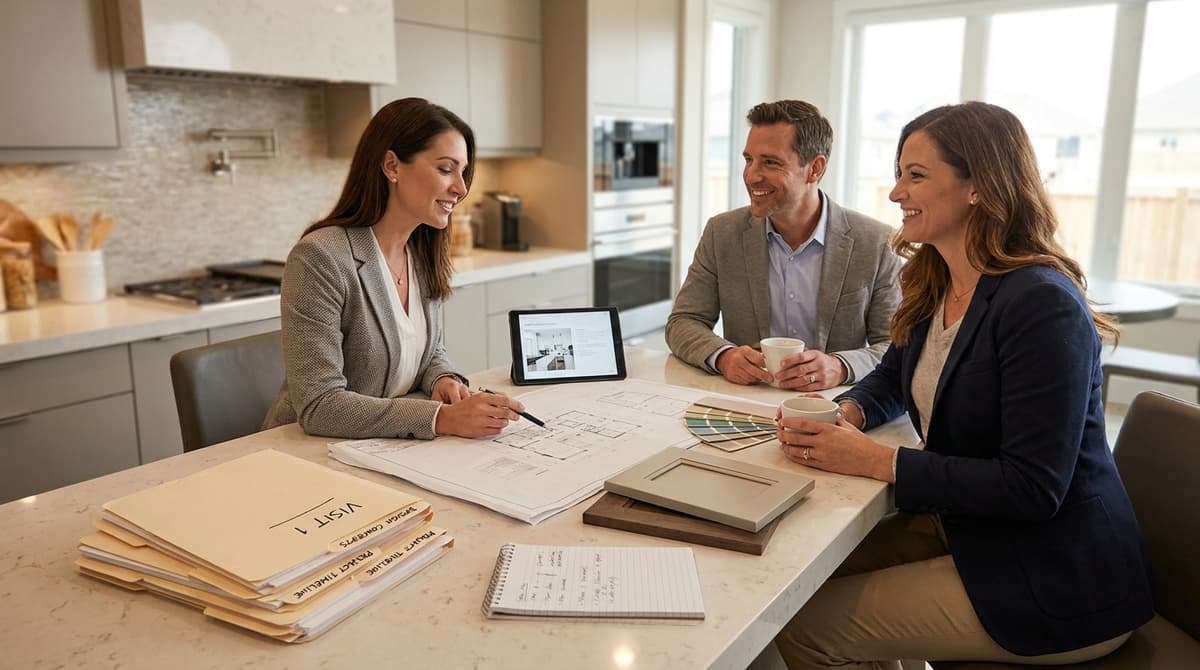
The contractors who win aren’t the ones with the lowest prices. They’re the ones whose reps can walk into a kitchen table conversation, understand what the homeowner has already researched, address the real objections specific to Pacific Northwest HVAC, and present a compelling case for acting now.
That doesn’t happen by accident. It happens through systematic training, real conversation review, and coaching that’s specific to how Seattle homeowners actually talk about HVAC.
If your close rates are stuck and your reps keep losing deals to lower-priced competitors, the issue probably isn’t price. It’s how those conversations are being handled. Book a demo and we’ll show you what that looks like.
Related Topics: Seattle HVAC sales training, Pacific Northwest HVAC contractor coaching, heat pump sales training, AI sales coaching HVAC, HVAC sales training Washington state, Puget Sound Energy rebates HVAC sales, heat pump objection handling