The solar sales cycle does something most home services deals don’t: it keeps going after you leave.
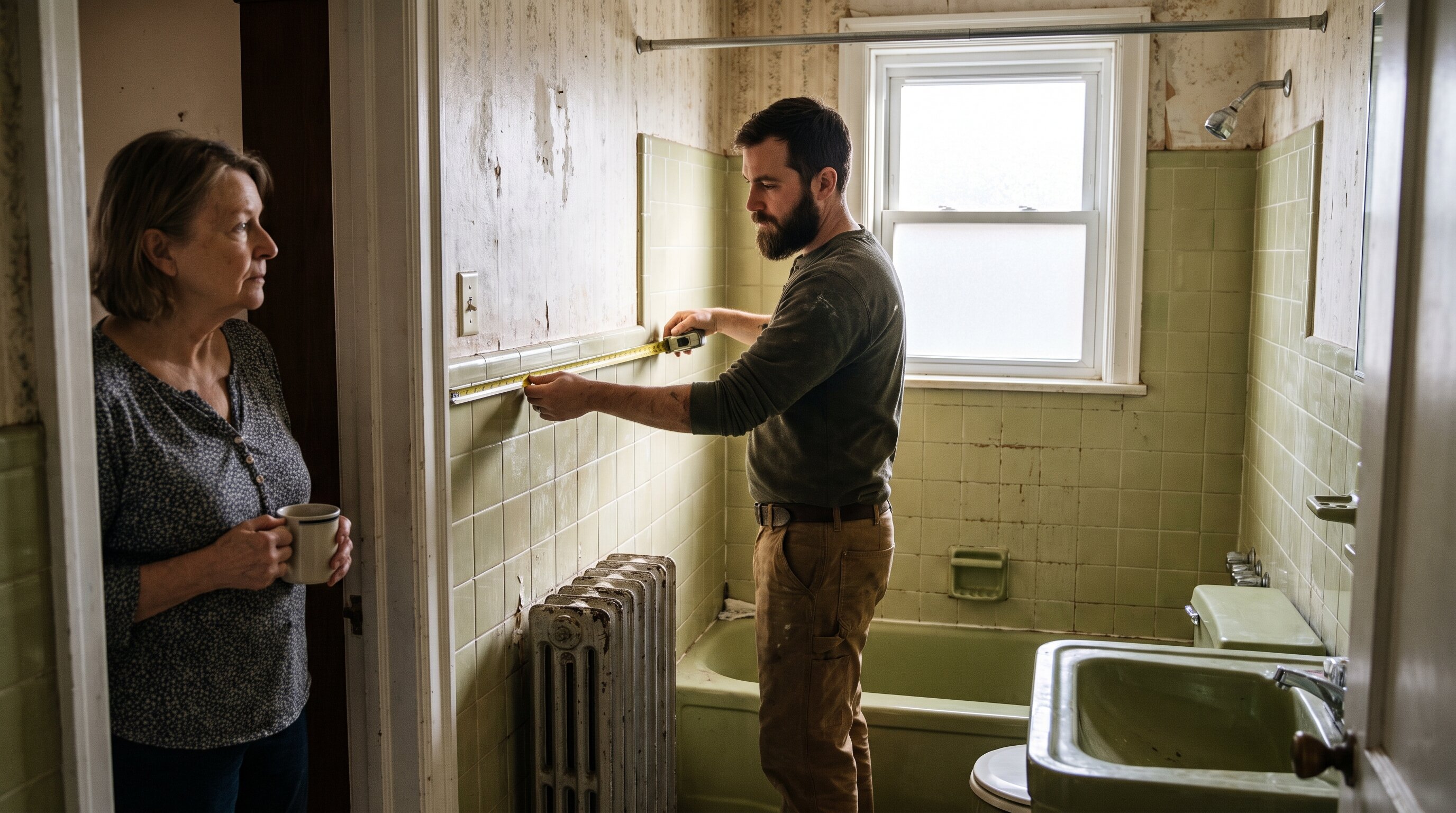
You spend three and a half hours at the kitchen table. You walk through the utility bill. You explain the IRA incentives, the financing options, the roof warranty. The homeowner nods. They sign. You drive away thinking you closed it.
Then Tuesday they call back. Their spouse looked it up and has concerns. Their neighbor told them to get three quotes. The monthly payment seemed lower in the brochure than in the contract. And now your cancellation rate is 25%.
That’s the gap most sales coaching tools don’t address. Rilla is a good tool. But it was designed for a very different kind of sale.
What Rilla Was Built For
Rilla started in field sales for home improvement — the one-visit close model. A rep goes out, presents, closes, leaves. The win or loss happens in the appointment. Rilla records those appointments, analyzes what happened, and helps managers coach reps on what they said (or didn’t say) during the visit.
That model works well for trades where the decision happens on the spot: HVAC tune-ups, same-day plumbing, roofing storm assessments where the homeowner is already panicked and ready to sign.
Solar isn’t that.
A solar sit is measured in hours, not minutes. The proposal includes a 25-year savings projection, a financing document, a battery add-on discussion, a utility interconnection timeline. The homeowner may love you — and still take three weeks to pull the trigger because their HOA hasn’t approved the panel layout.
Rilla’s post-appointment analysis gives you insight into what happened at the table. It tells you whether your rep explained the federal tax credit correctly, whether they handled the “I want to get a second quote” objection. That’s useful. But Rilla’s analysis ends when the rep closes the app. Everything that happens between the signed proposal and the funded install — the second thoughts, the cancellation calls, the email follow-ups — that’s invisible.
The Three Places Solar Deals Actually Die
If you run a solar company, you know where the losses happen. It’s rarely during the sit itself.
First: Before the sit. Your setter books an appointment for a household that isn’t qualified — one roof with too much shade, a renter who doesn’t own the property, a homeowner whose credit disqualifies them from financing. Your closer shows up, spends three hours, and books a deal that collapses at install. Setter coaching isn’t a nice-to-have in solar. The sit is too expensive to waste on bad leads.
Second: After the sit, before installation. The 3-day right of rescission window is where solar companies lose revenue they’ve already “closed.” The homeowner has time to reconsider, talk to their spouse, find a competitor’s TikTok video, or just feel the anxiety of a 25-year commitment. The calls they make during this window — to your office, to your CSR team — are make-or-break.
Third: During installation prep. Permit delays, HOA back-and-forth, utility interconnection queues. These aren’t sales problems, but they create relationship uncertainty that good follow-up communication can manage. A coached CSR knows how to call proactively with updates rather than waiting for a panicked homeowner to cancel.
Rilla can help you in exactly zero of those three situations. It records the field appointment. That’s the scope of its world.
Where SalesAsk’s Architecture Is Different
SalesAsk was built for the trades — specifically, for companies that run on ServiceTitan. That integration isn’t a feature. It’s the foundation of how the platform works.
When a setter takes a booking call, SalesAsk’s virtual ridealong functionality can coach that setter in real time — not just score them after the fact. When the closer is in the home, Coach Dean (SalesAsk’s AI) is active during the appointment, not just afterward. When the homeowner calls three days later with cold feet, the CSR who handles that call is coached on how to address the rescission anxiety specifically, not just generic objection handling.
And then there’s the attribution layer. In solar, a company that processes 300 leads/month might close 60 at the sit and lose 15 to cancellations. The question everyone wants answered: which reps have the lowest cancellation rate? Is it correlated with how they handled the warranty conversation? Does it matter whether the setter qualified the credit profile before the appointment?
With ServiceTitan data running alongside SalesAsk coaching data, you can actually answer those questions. Rilla cannot — it has no connection to what happens after the appointment ends.
The Headphone Problem (No One Talks About This)
There’s a practical issue with recording-based coaching tools during solar sits that the sales materials don’t address: a four-hour appointment with a sales rep wearing earbuds is weird.
Rilla runs via smartphone app. The rep keeps their phone recording in their pocket or on the table. That’s unobtrusive enough for a 45-minute tune-up call. For a three-and-a-half-hour solar consultation where you’re sitting across a kitchen table and showing a couple a 25-year financial projection, the recording device is more present — and if the rep is also monitoring a coaching interface, it starts to feel less like a consultation and more like a monitored performance review.
The numbers behind that sit in how quickly Rilla support actually answers.
This isn’t unique to Rilla. It applies to most field coaching tools. But solar’s extended sit duration makes the human dynamics more pronounced. SalesAsk’s AI sales coaching for home services architecture is designed with these longer engagements in mind — the coaching prompts are contextual and non-intrusive, not a stream of live interruptions.
The numbers behind that sit in where Rilla's feature set stops and others keep going.
The Comparison, Honestly
Rilla is a better tool than it gets credit for on pure conversation intelligence. If you’re a solar company that specifically wants to understand what’s happening during the in-home consultation — what objections your reps are facing, where they’re losing the room, how their energy shifts in hour three — Rilla’s analytics are solid.
If your sales problem is post-sit attrition, setter quality, CSR handling of rescissions, or connecting coaching activity to revenue outcomes in ServiceTitan, Rilla doesn’t get you there. That’s not a flaw in its design — it’s just not what it was built for.
SalesAsk costs less per seat than Rilla (Rilla starts at $4,000+/user/year with a 5-seat minimum). For a smaller solar company running 3-4 closers and a setter team, the economics are meaningfully different. And the coverage is broader — you’re not just buying analysis of the in-home appointment. You’re buying coaching coverage across the entire revenue cycle.
Whether that matters depends on where your sales losses actually live. If your closers are underperforming at the table and you don’t have any setter or CSR problems, Rilla’s analytics are probably enough. If you’re running 20%+ cancellation rates or struggling with setter-to-sit quality, you need something that sees the whole picture.
Making the Call
Here’s the honest framework for solar companies evaluating these tools:
Rilla is the right choice if: - You close deals in a single visit and cancellations are not a material problem - Your primary coaching need is conversation analysis, not lifecycle coverage - Your team doesn’t use ServiceTitan
SalesAsk is the right choice if: - You’re losing deals in the days after the sit (rescission window) - Your setter quality is inconsistent and qualification is eroding your close rate - You want to connect coaching behavior to ServiceTitan revenue data - You have a CSR team that handles post-appointment follow-up calls
Solar companies that have significant post-sit attrition — and most do — need coaching coverage that doesn’t end when the rep walks out the door.
Ready to see how SalesAsk handles the full solar cycle? Book a demo and bring your actual cancellation data. That’s usually where the conversation gets interesting.
Related articles


Ready to convert
every conversation?
See exactly what’s holding your team back and fix it fast.
.avif)