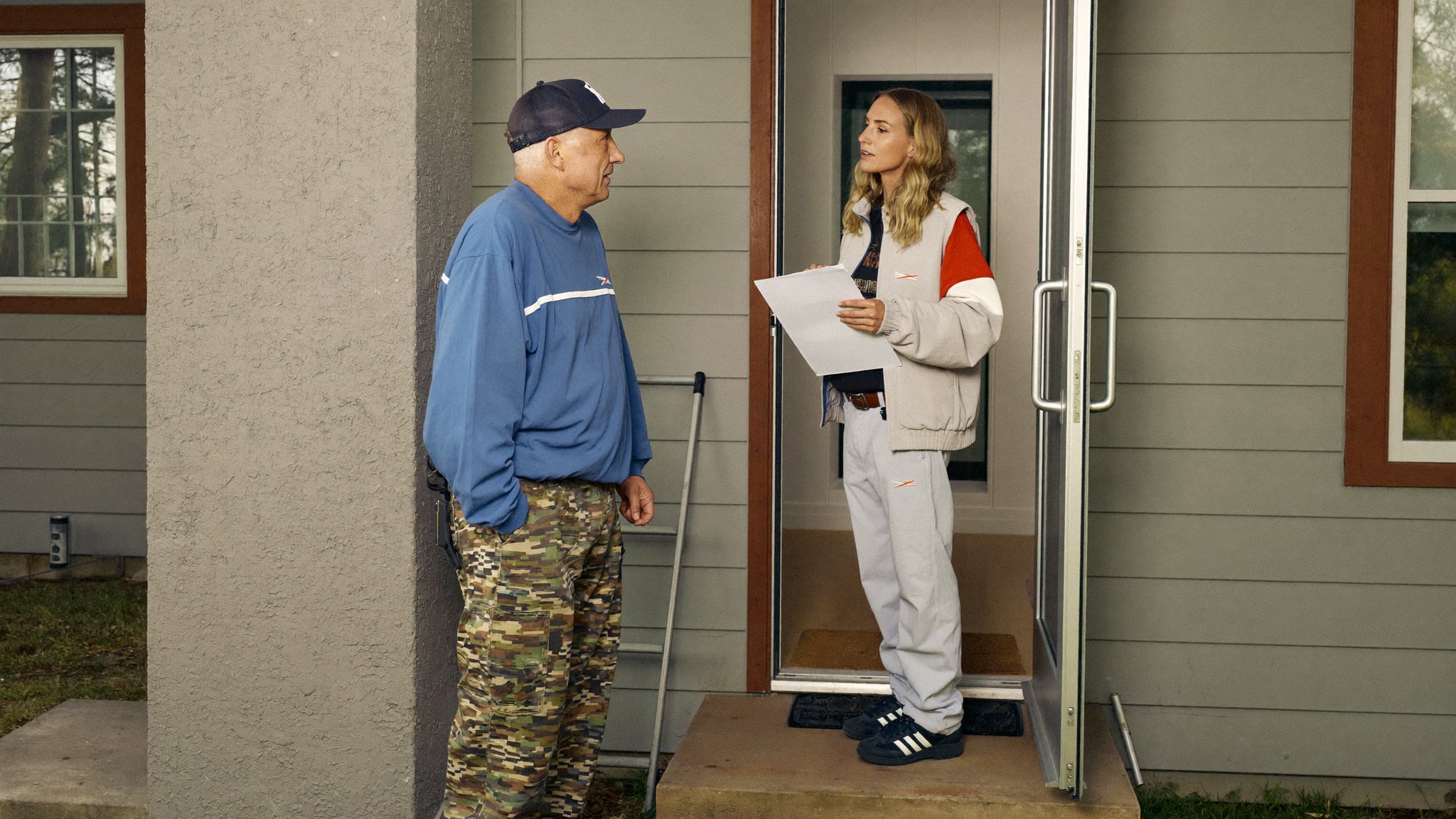
Your tech just ran a perfect diagnostic. The homeowner is nodding along, clearly needs the work done. Then they hit you with it:
“Thanks, but we already have a guy.”
And just like that, a $12,000 HVAC replacement or a $9,000 roof repair walks out the door — not because your price was wrong or your pitch was weak, but because of loyalty to someone who may not even return their calls anymore.
This objection is different from “your price is too high” or “we need to think about it.” Those are about the deal. “We already have a guy” is about the relationship. And if you try to overcome it the way you’d handle a price objection, you’ll lose every time.
Here’s how the best reps actually handle it.
Why This Objection Isn’t What It Sounds Like
Most of the time, “we already have a guy” doesn’t mean what it says.
What it usually means is one of three things:
- They’re brushing you off politely. They’ve decided not to buy and this is the easiest way to end the conversation without confrontation.
- They do have someone, but they’re not thrilled. The guy is slow to respond, inconsistent on pricing, or does okay work but nothing special. The homeowner just hasn’t had a reason to switch.
- They genuinely have a trusted contractor — and you’re fighting an uphill battle with real loyalty behind it.
Your job is to figure out which one you’re dealing with. Because the response is different for each.
Step 1: Agree With Them (Don’t Compete)
The worst thing you can do is trash their current contractor or immediately pitch why you’re better. That triggers defensiveness. They chose that person, and criticizing the choice criticizes their judgment.
Instead, validate it:
“That’s great — honestly, having someone you trust is hard to find in this industry. How long have you been working with them?”
This does two things. It shows respect for their relationship. And it gets them talking, which gives you information.
If they say “oh, years” with genuine warmth, you’re in scenario three — real loyalty. If they pause, hedge, or say something like “well, he did our furnace a few years back,” you’re in scenario two. That’s your opening.
Step 2: Ask the Question They’re Not Expecting
Once they’ve talked about their current contractor, ask this:
“When’s the last time they came out and did a full system review — not for a repair call, but just to check on everything proactively?”
Ninety percent of the time, the answer is never. Or “I don’t remember.”
That’s the gap. Most “guys” in home services are reactive. They show up when something breaks. They don’t do proactive maintenance reviews, they don’t follow up after a job, and they definitely don’t send reports or keep the homeowner informed between visits.
You’re not attacking their contractor. You’re showing them what they’re missing without making them feel dumb for missing it. There’s a massive difference between “your guy sucks” and “here’s what a full-service relationship actually looks like.”
Step 3: Reframe What “Having a Guy” Means
Here’s where you shift the conversation. Not from “my company vs. their company.” From “what they think they have vs. what they could have.”
“Having a contractor you call when something breaks is one thing. Having someone who’s actually watching your system, catching problems before they cost you money, keeping you informed — that’s a different level. That’s what we do.”
This works especially well for HVAC contractors, roofers, and plumbers where the cost of a missed problem compounds fast. A $200 maintenance catch vs. a $6,000 emergency replacement — the homeowner gets the math immediately.
You’re not asking them to fire their guy. You’re showing them that “having a guy” and “having a proactive partner” aren’t the same thing.
Step 4: Use Social Proof From Their Neighborhood
Nothing makes a homeowner reconsider loyalty faster than knowing their neighbor already switched.
“We actually just finished a job for the Hendersons two streets over — similar system to yours. They had someone they’d used for years, but after we showed them what was actually going on with their ductwork, they were surprised their old company had never flagged it.”
You’re not making this up. Use real examples. If you’ve done work in the neighborhood or the zip code, mention it. Proximity builds trust faster than any brochure.
This is one reason AI-powered coaching tools are so effective for training reps on this objection — they can practice the neighborhood reference technique and the probing questions before they’re sitting in someone’s living room stumbling through it live.
Step 5: Leave the Door Open (Don’t Force It)
If the homeowner has genuine loyalty to their current contractor and they’re not budging, don’t burn the bridge. The goal isn’t to win every single “we have a guy” conversation. It’s to plant a seed.
“Totally understand. Here’s what I’d suggest — keep my card. Next time you’re waiting three days for a callback, or you get a bill that surprises you, give us a shot. One visit. If we don’t blow you away, no hard feelings.”
This works because it’s low pressure. You’re not asking them to make a decision today. You’re positioning yourself as the backup — and backups become starters the moment the current guy drops the ball.
And in home services, everyone drops the ball eventually.
What Separates the Reps Who Win This Objection
The top closers in home services don’t hear “we already have a guy” and panic. They hear it and get curious.
They ask questions. They listen for the gaps. They don’t compete on price or trash-talk — they compete on the experience gap between what the homeowner has and what they could have.
It takes practice. And honestly, it takes coaching. Most reps default to one of two bad responses: either they fold immediately (“okay, thanks for your time”) or they get aggressive (“well let me tell you why we’re better”). Both lose.
The reps who consistently convert this objection are the ones who’ve rehearsed the middle path — the consultative approach that respects the relationship while exposing the gaps. Connell Roofing figured this out when they started using AI coaching to help reps handle exactly these kinds of conversations — the nuanced ones where the objection isn’t really about price or product.
The Real Takeaway
“We already have a guy” is one of the most common objections in home services, and one of the most mishandled. It’s not a no. It’s a “prove to me that switching is worth the hassle.”
Your job isn’t to convince them their current contractor is bad. Your job is to show them what great actually looks like — and make it easy for them to take the first step.
Ask better questions. Listen for the gaps. Respect the relationship. And always leave the door open.
Because the homeowner who says “we already have a guy” today is the same homeowner who calls you in six months after their guy no-shows on a Saturday afternoon.
Be ready when that call comes.
Related Topics: handling sales objections in home services, overcoming loyalty objections, home services sales training, contractor sales techniques, in-home sales objection handling, AI sales coaching for contractors, consultative selling for home improvement

Related articles

Start closing more deals, without hiring more reps
See exactly what’s holding your team back and fix it fast.
.avif)