Boston homeowners are not like homeowners anywhere else. They’ve read the estimate twice, Googled your company name three times, and have a follow-up question about labor warranties before you’ve finished writing up the proposal. They’re not difficult — they’re thorough. And if your sales rep can’t match that energy, they’re losing the job.
That’s the core challenge for home services contractors in Greater Boston and across New England. The market is huge, the housing stock is old, and the homeowners are some of the most educated, skeptical buyers in the country. Closing here requires a different caliber of conversation — and most contractors are training their reps for a different city.
What Makes Boston Home Services Sales Different
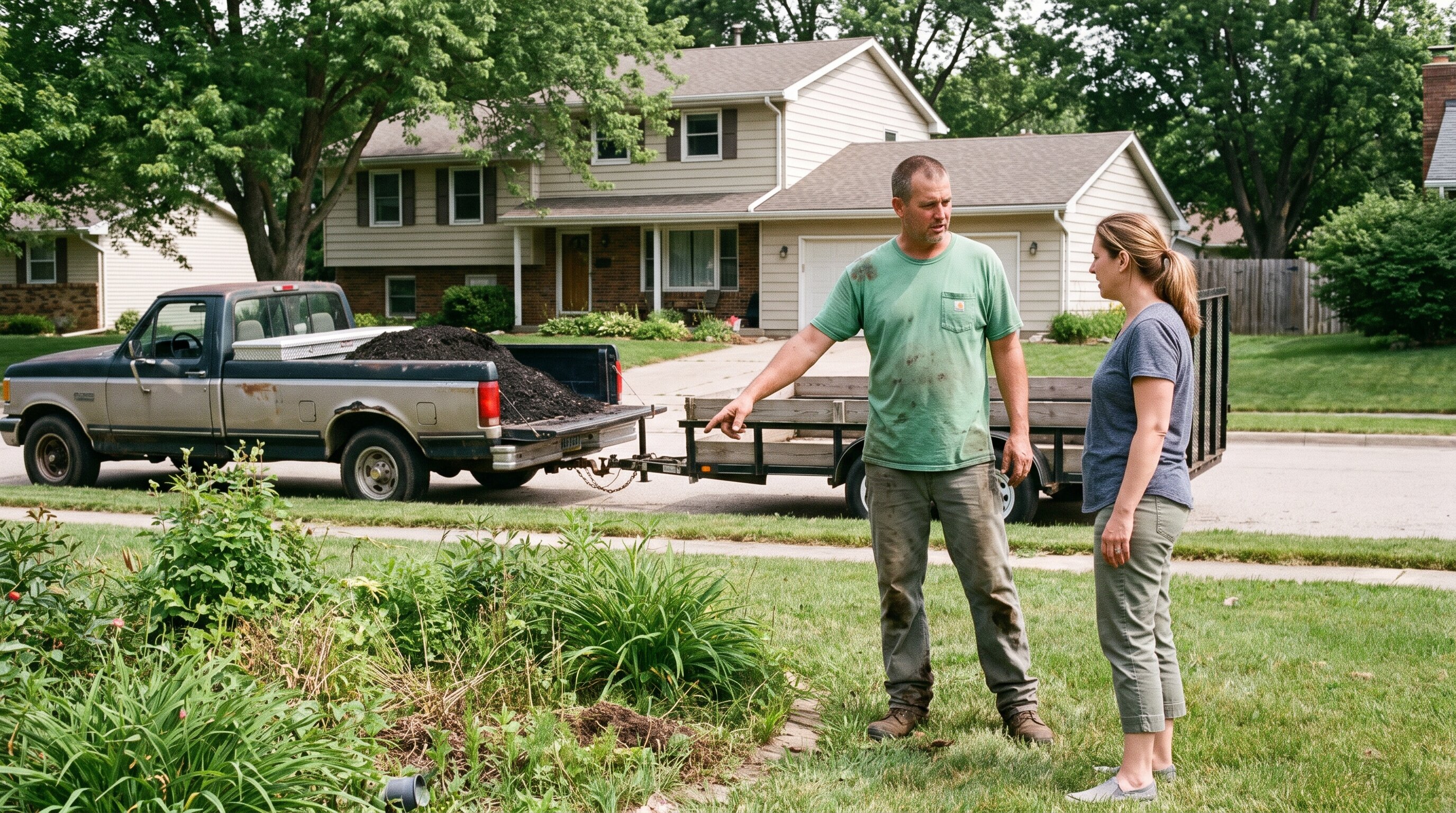
Seventy percent of Boston’s housing stock was built before 1960. That’s not a statistic — that’s a sales conversation. Old homes mean aging systems, deferred maintenance, and buyers who’ve inherited a hundred small problems they’ve been quietly ignoring. When you knock on a door or sit at a kitchen table in Brookline, Wellesley, or Worcester, you’re not pitching a product. You’re entering a negotiation about how much they actually need to spend on a house that was already complicated when they bought it.
Then there’s the income mix. The Greater Boston market runs from wealthy suburbs in Norfolk County to working-class triple-deckers in Dorchester to semi-rural towns where homeowners heat with oil and have never once thought about a heat pump. Your reps need to read the room fast. High-income doesn’t always mean ready to spend. Some of the biggest pushback comes from the people who have the most money — because they got that way by asking hard questions.
And winter is a real variable. When it’s January and a heating system fails, the urgency is different. Those calls close differently than a May roofing estimate. But most sales training doesn’t distinguish between them, and most reps use the same pitch no matter what’s at stake for the homeowner.
The Problem With Standard Sales Training in This Market
Most sales training is built for speed and simplicity. Two-day bootcamp, a script, some objection-handling flashcards. That works fine in markets where homeowners make fast decisions and the competition isn’t doing anything sophisticated.
That’s not Boston.
New England contractors are competing against each other in a market where homeowners have time and tools to comparison-shop. A rep who learned to close on pressure is going to get eaten alive by a homeowner who’s pulling up review sites during the pitch. What wins here is patience, credibility, and the ability to have a real conversation — not a scripted one.
The other problem is manager bandwidth. AI sales coaching for home services started getting traction with contractors precisely because sales managers couldn’t be in five places at once. A company running crews in Boston, Cambridge, and the South Shore can’t have the owner riding along with every new rep until they figure out what they’re doing. Something has to fill that gap.
Traditional training fills it with theory. AI coaching fills it with data from actual conversations.
What AI Coaching Actually Does for New England Reps
The core difference between a training program and an AI coaching platform is that the platform is working with real calls, not hypothetical ones.
When a rep in Newton sits down to quote a full HVAC replacement and the homeowner says, “We got a cheaper estimate from someone else,” an AI coaching tool like SalesAsk has seen thousands of versions of that conversation. It knows what tends to work. It can flag, in real time or immediately after the call, where the rep’s response weakened the conversation — and it can surface the specific moment things started going sideways.
That’s different from a manager listening to a recording a week later and giving vague feedback. It’s granular. It’s tied to the actual conversation. And it doesn’t require the owner to be in the truck.
For Boston contractors specifically, here are the conversation patterns AI coaching is built to improve:
Price objections with analytical buyers. Boston homeowners often approach a high-ticket quote like a negotiation. They’ve done research. They have numbers. AI coaching helps reps learn to engage that mindset rather than retreat from it — to show their work, explain the value behind the price, and hold their ground without getting defensive.
Trust objections from repeat-burned homeowners. A lot of Massachusetts homeowners have had a contractor story that went badly. “We hired someone last spring and it was a disaster.” This objection comes up constantly in older housing markets where there’s been no shortage of fly-by-night operators. Reps need to know how to build credibility fast and specifically, not just say “we’ve been in business 15 years” and hope that lands.
The “we need to think about it” delay. In Boston, this is often genuine — not just a deflection. Homeowners in this market take time. AI coaching helps reps understand when that objection is a real “not yet” versus a conversation that’s already lost, and how to keep the relationship warm without being pushy.
These aren’t abstract skills. They’re the exact moments where jobs are won or lost in this market, and the SalesAsk virtual ride-along approach lets managers see exactly how their reps are handling them without having to be physically present.
Training New Reps in a High-Stakes Market
Boston’s contractor labor market is tight. Finding good sales reps is hard. Keeping them is harder. And the cost of a rep who takes six months to become marginally effective — while misquoting jobs and leaving callbacks unreturned — is enormous.
AI coaching compresses the onboarding curve. Instead of a new hire spending three months shadowing experienced reps and absorbing habits (good and bad), they can review flagged calls, work on specific weak points, and get feedback on every conversation from day one.
Companies in adjacent New England markets have seen this work. Cache Mechanical, an HVAC company that used SalesAsk to onboard and coach new reps without babysitting every call, was able to build a coaching infrastructure that scaled as they added people — without the manager becoming the bottleneck.
That’s the model Boston contractors need. Not a training video library. A system that actually works with what’s happening in the field, every day.
The Industries That Need This Most in Greater Boston
Not every trade has the same sales challenge in New England. Some of the highest-need areas:
HVAC and heating. Massachusetts has some of the most aggressive climate requirements in the country. The push toward heat pumps, the complexity of oil-to-electric conversions, the homeowners who don’t understand why it costs what it costs — HVAC reps in this market are having technically complicated conversations in addition to regular sales conversations. That’s a training problem. The HVAC industry page covers what coaching systems designed for this trade actually look like.
Roofing and weatherproofing. Ice dams, wind-driven rain, the slate roofs that nobody wants to touch — Boston roofing is specialized and the sales conversations reflect that. Homeowners are scared of being oversold. The reps who do well here are the ones who can explain what’s actually necessary versus what’s optional.
Insulation and energy efficiency. With Mass Save and other state programs active, there’s no shortage of homeowners looking at insulation upgrades. But the conversations are often confusing — rebates, timelines, competing quotes from companies who may or may not understand what they’re installing. Reps who can cut through the confusion close more.
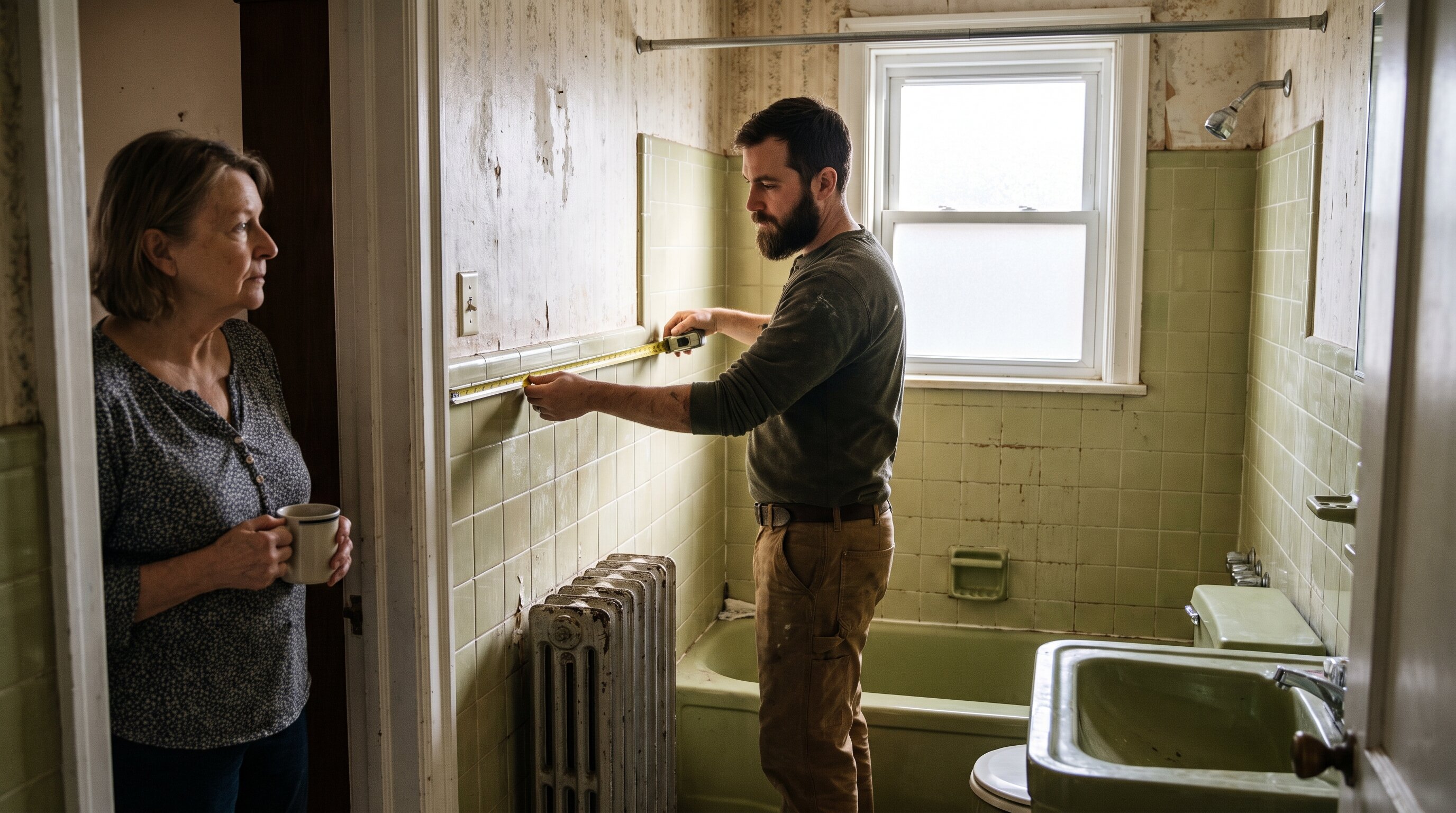
Bathroom and kitchen remodeling. High-ticket, emotionally loaded, often involving multiple decision-makers in the household. These calls require patience and precision.
What Separates the Contractors Who Win Here
The contractors doing well in the Boston market share a few things. They have reps who listen more than they talk. They follow up thoughtfully instead of aggressively. And they have some way of knowing what’s happening in the field — because if you can’t see your sales conversations, you can’t improve them.
AI coaching is not a magic fix. It’s a system for surfacing what’s actually happening and building better habits from real data. In a market as demanding as Greater Boston, that’s not a nice-to-have — it’s how you stop leaving jobs on the table.
If you want to see how it works for a company in your trade, request a demo and we’ll walk through it specifically for your market and your team.
Related Topics: Boston home services contractor training, New England HVAC sales coaching, AI sales coaching for contractors, home services sales training Massachusetts, real-time sales coaching for field reps, objection handling for home improvement sales, AI coaching for small contractor teams

Related articles

Ready to convert
every conversation?
See exactly what’s holding your team back and fix it fast.
.avif)