
Interior painting is supposed to be the easier sell. No weather concerns, no ladder work visible from the street, no big structural unknowns. Homeowners call you because they already know what they want — a painted room, or five rooms, or the whole house. You’d think close rates should be higher than exterior work. They usually aren’t.
The problem is that interior painting sales has specific landmines that exterior work doesn’t. Disruption. Color anxiety. The lived-in space problem. Contractors who don’t address these directly — in the appointment, before the quote — are losing jobs to painters who cost the same or more but said the right things.
This isn’t about being slicker. It’s about understanding what actually scares homeowners about an interior paint job.
The Lived-In Space Problem
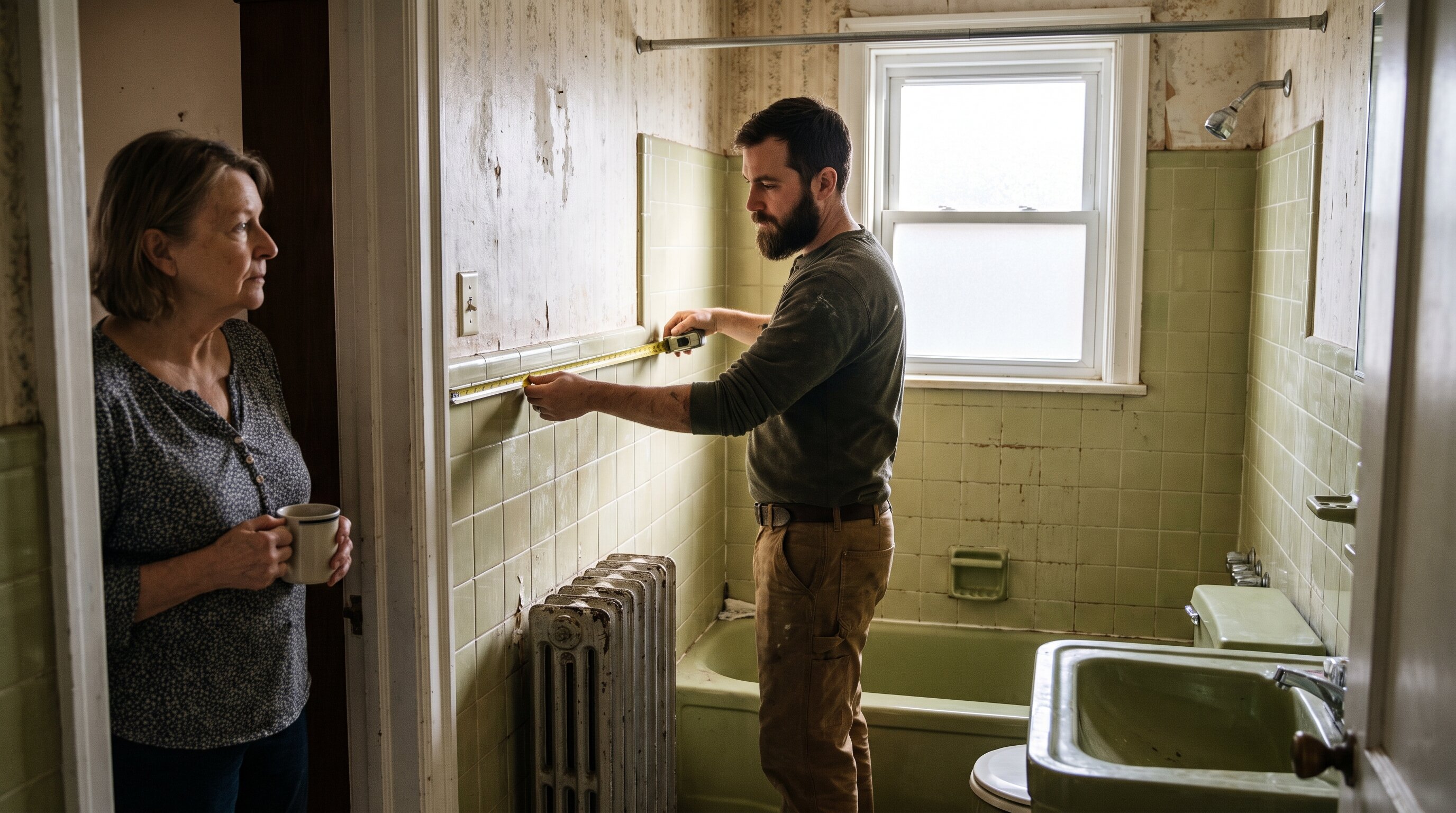
Exterior painting happens outside. The homeowner can basically ignore it. Interior painting means strangers moving through their home, being near their furniture, their walls, their stuff. That creates a particular kind of anxiety that doesn’t always come up explicitly — it just shows up as hesitation.
Reps who acknowledge this upfront close at meaningfully higher rates than those who skip it. “Before we get into color and scope, I want to walk you through how we handle the prep and protection side — because I know having a crew in your home is a big deal.”
Then cover it: furniture moving and protection, floor coverings, dust containment if there’s any trim or wall repair, ventilation for smell, cleanup at end of each day. Most homeowners haven’t had this conversation with any other painter quoting them. The ones who have it with you now see you differently.
It’s not just reassurance. It’s selling the process, not just the product. Interior remodeling contractors who sell the experience — what it actually feels like to have your crew in the home — win disproportionate business over those who only talk about paint.
Color Anxiety Is a Real Sales Problem
Interior painting homeowners are almost always worried about color. They’ve seen what the wrong color did to a neighbor’s living room. They spent twenty minutes on a paint website and now they have seventeen fan decks and no decision.
Reps who show up and say “we match any color you want” and move on to pricing have missed the opportunity. The homeowner is paralyzed and you just skipped past the reason they’re paralyzed.
The better move: acknowledge it. “Color selection is usually where people get stuck. We’ve seen it a thousand times. Want to walk through what you’re thinking — I can usually help narrow it down to two or three real candidates in about ten minutes.”
This doesn’t require being a color expert. It requires asking questions: What feeling are you going for? What’s the furniture situation? What time of day is the light best in here? Most homeowners have never been walked through these questions. The rep who does it becomes the obvious choice.
It also creates a natural attachment between the homeowner and the project. Once they’ve worked through their color decision with you, the appointment has become collaborative. Switching to a different painter now means starting that conversation over.
For AI sales coaching applications, this is one of the more trainable skills — reps who practice consultative color conversation in role-play settings carry it into real appointments far more naturally than those who hear about it in a meeting.
The Multi-Room Scope Conversation
Interior jobs often start small — homeowner wants the living room and hallway. The question is whether the appointment surfaces what else is on their mind.
Most homeowners doing interior painting have thought about more rooms. They’re just budgeting conservatively. A rep who never asks about the rest of the house is leaving genuine opportunity on the table.
The key is timing and framing. Not “would you like to add more rooms?” at the end when they’re mentally committed to the small scope — that feels like pressure. But early in the walk-through: “While we’re going through the space, is there anywhere else in the house you’ve been thinking about? Sometimes people find it makes sense to bundle a few areas together — fewer mobilizations, better pricing on materials.”
That’s not a sales tactic. It’s actually useful information. Many homeowners say “actually yes, we’ve been thinking about the master bedroom” — and the job grows organically because the rep asked at the right moment.
At larger scale, this is the difference between a $2,400 job and a $5,800 job. Connell Roofing saw similar scope expansion results with AI coaching — consistent early-appointment discovery questions changed average job size meaningfully.
What Interior Painting Specifically Gets Wrong on Price
Interior painting is one of the most price-shopped categories in home improvement. Homeowners assume the product is fungible — paint is paint, application is application. They’re wrong, but they need help understanding why.
The prep work distinction is where interior specialists win on value. Anyone can roll paint. Not everyone tapes crisp lines around complex trim, fills nail holes properly before painting, addresses flashing issues above windows. A rep who walks through the prep sequence — “this is what our prep looks like versus a quick coat crew” — gives the homeowner something to compare.
Reps who can articulate the difference between a paint job that looks good at closing and one that looks good two years later close at higher prices. The homeowners who understand this will pay for it. The ones who don’t understand it aren’t necessarily the homeowners going to the cheapest painter — they’re going to whoever explains it best.
Request a demo to see how AI coaching helps interior painting reps build this into every appointment — the prep distinction conversation is one of the most effective things trainable through consistent role-play.
Building Consistency Across Your Interior Sales Team
The same patterns come up with interior painting teams that show up everywhere in home services: one or two reps who naturally do the lived-in-space reassurance, the color conversation, the scope walk — and several others who head straight to square footage and price.
The gap between those reps isn’t talent. It’s the consistency of process. AI coaching makes the difference visible by reviewing actual appointments, not just role-plays. When you can show a rep exactly where they skipped the color conversation on a job they lost, and compare it to how their top colleague handled the same moment, the learning sticks.
Interior painting sales is absolutely trainable. The skills are specific, they’re learnable, and they compound. A team that consistently runs the lived-in-space walkthrough, does the color consultation, asks about multi-room scope early, and defends prep quality on price is a team that closes at 55-65% instead of 40%.
Related Topics: interior painting sales training, residential painting contractor sales, AI coaching for painting contractors, color consultation sales technique, home improvement sales training, painting contractor close rates, interior paint job sales

Related articles

Ready to convert
every conversation?
See exactly what’s holding your team back and fix it fast.
.avif)