
Masonry is one of those trades where the work speaks for itself — and that’s exactly the problem. Contractors who are excellent at the craft often assume the project photos, the references, and the reputation should be enough to close jobs. Sometimes they are. More often, the business goes to a competitor who’s marginally worse at laying stone but significantly better at running the sales conversation.
That gap is what sales training closes. And increasingly, AI-powered coaching is what separates the masonry businesses adding crews from the ones wondering why their close rate sits at 25%.
The Masonry Sales Problem
Masonry projects — retaining walls, brick veneers, stone patios, chimney rebuilds, driveway pavers — share a common challenge: they’re aspirational purchases with a lot of visible variables.
Unlike a roof or a furnace (which get replaced because they fail), most masonry projects are discretionary. A homeowner wants a stone fireplace surround. They want a paver driveway because the concrete one looks dated. They want a retaining wall because the yard is eroding. The desire is real, but so is the budget anxiety.
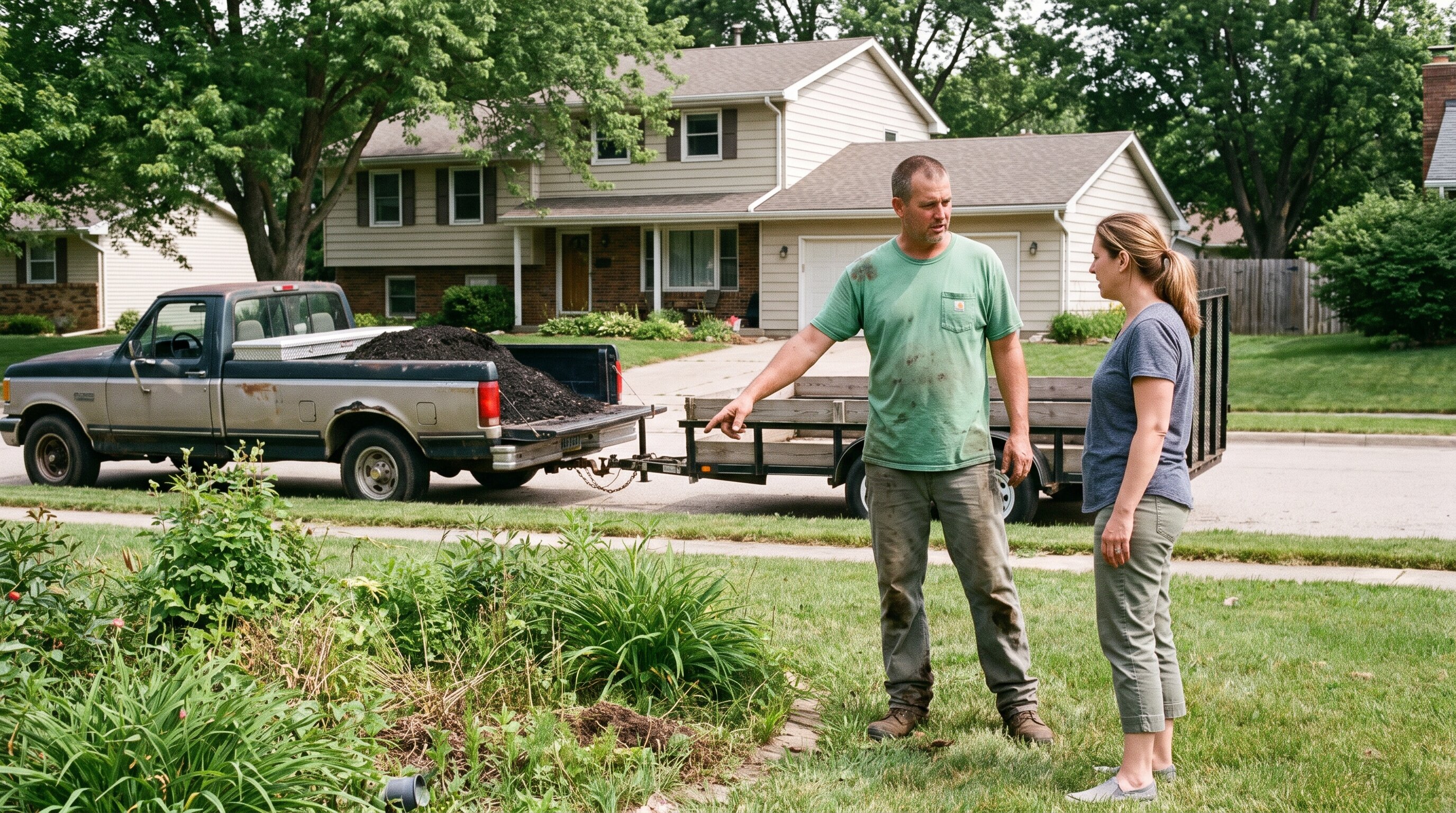
That dynamic creates a specific kind of sales conversation. The customer has probably done some research, seen some Instagram photos, and come in with a rough number in their head that’s probably 40% under what the job actually costs. The rep’s job is to help them understand what quality masonry actually costs, why the price is what it is, and why this contractor is worth it — without triggering the “let me think about it” that kills the deal.
Most reps handle this badly. Not because they’re bad at sales, but because they’ve never been coached on how to do it well.
Where Masonry Sales Conversations Break Down
The estimate dump. Reps who send a quote without walking the customer through it lose far more deals than reps who review the estimate together. A $28,000 retaining wall estimate sitting in someone’s inbox with no context competes with a $19,000 number from the competitor who actually called to explain their approach.
The material conversation. Brick vs. natural stone vs. manufactured stone vs. concrete block — customers often don’t know the differences or why they matter. Reps who can explain this clearly, in plain language, without overwhelming the customer, build authority. Reps who either skip it or go too deep into technical detail lose the thread.
The “we’re getting other bids” stall. This is the most common objection in any home services category, but it hits particularly hard in masonry because the range of bids tends to be wide. A customer getting three quotes for a paver patio might see prices ranging from $8,000 to $18,000. Without a framework for why those numbers differ, they default to price.
The invisible ROI problem. Unlike HVAC or windows, masonry projects don’t have obvious energy savings or insurance benefits. Reps who don’t make the value case — curb appeal, property value, structural protection for retaining walls — leave customers comparing apples to apples when they should be comparing a 20-year solution to a 7-year one.
What AI Coaching Changes
AI-powered sales coaching works by analyzing real calls and field conversations, identifying the patterns that predict wins and losses, and giving reps and managers specific data to work with.
For masonry contractors, the conversations typically surface a few clear coaching targets:
Discovery depth. Are reps asking about the homeowner’s timeline, their vision, how they’re using the space? Or are they doing a quick site walk and moving to a number? AI coaching flags reps who are under-discovering — which in masonry usually means the quote doesn’t match what the customer actually wanted.
Price anchoring. The reps who close the most masonry jobs tend to set value expectations before delivering a number. They reference comparable projects, explain what drives cost in this specific scope, and help customers understand what “premium” means in concrete terms. AI coaching identifies reps who are leading with numbers rather than building to them.
Objection recovery. “We’ll think about it” is not a dead end — unless the rep treats it like one. AI coaching tracks whether reps establish a follow-up plan or let the conversation end without a commitment. In masonry, where projects require coordination and scheduling, a concrete next step is often what separates a closed deal from a ghosted quote.
Building the Conversation Muscle
AI sales roleplays are particularly valuable for masonry reps who’ve been trained mostly by watching others and picking things up in the field. Practicing the material explanation, the price conversation, and the objection responses in a low-pressure environment builds confidence that translates to real appointments.
Reps who’ve done 20 practice versions of “here’s why there’s a $10,000 gap between the quotes you got” handle that conversation better than reps who’ve never rehearsed it. That’s not a complicated insight, but most masonry businesses never invest in that kind of training.
Cross-Industry Comparison
The masonry sales challenge isn’t unique — roofing contractors, remodelers, and other trade businesses deal with similar dynamics: discretionary projects, wide price ranges, customer uncertainty about quality differentials.
The contractors who handle it best tend to have two things in common: they’ve been coached on specific conversations (not just general sales skills), and they review what’s actually happening in their pitches rather than assuming they know.
Virtual ride-alongs through AI coaching give managers the ability to hear exactly how their best reps handle the material conversation and how their weakest reps stumble over the pricing discussion. That visibility is what drives targeted improvement — not another general training day.
Companies that have applied this approach across field service teams have seen consistent results. The Connell Roofing case study is a good example of what systematic coaching produces when it’s applied to a trade business with similar sales dynamics.
Building a Coaching System
If you’re running a masonry business and want to improve your close rate, start with the evidence:
- Pull the last 10 jobs you didn’t close. What was the stated reason?
- Review the quote follow-up process. Did reps walk customers through the estimate or just send it?
- Ask your best rep how they explain price differences between bids. Can your other reps say the same thing?
Those three questions will give you enough to start coaching. AI tools take that process and automate it — every call reviewed, every pattern surfaced, every rep measured against what actually works.
The masonry businesses growing right now are the ones where the craft and the conversation are both excellent. The craft takes years to develop. The conversation can be improved in 60 days with the right coaching approach.
Related Topics: masonry sales training, brick and stone contractor coaching, AI sales coaching for contractors, paver sales training, retaining wall sales process, AI coaching for trade contractors, masonry close rate improvement

Related articles

Ready to convert
every conversation?
See exactly what’s holding your team back and fix it fast.
.avif)