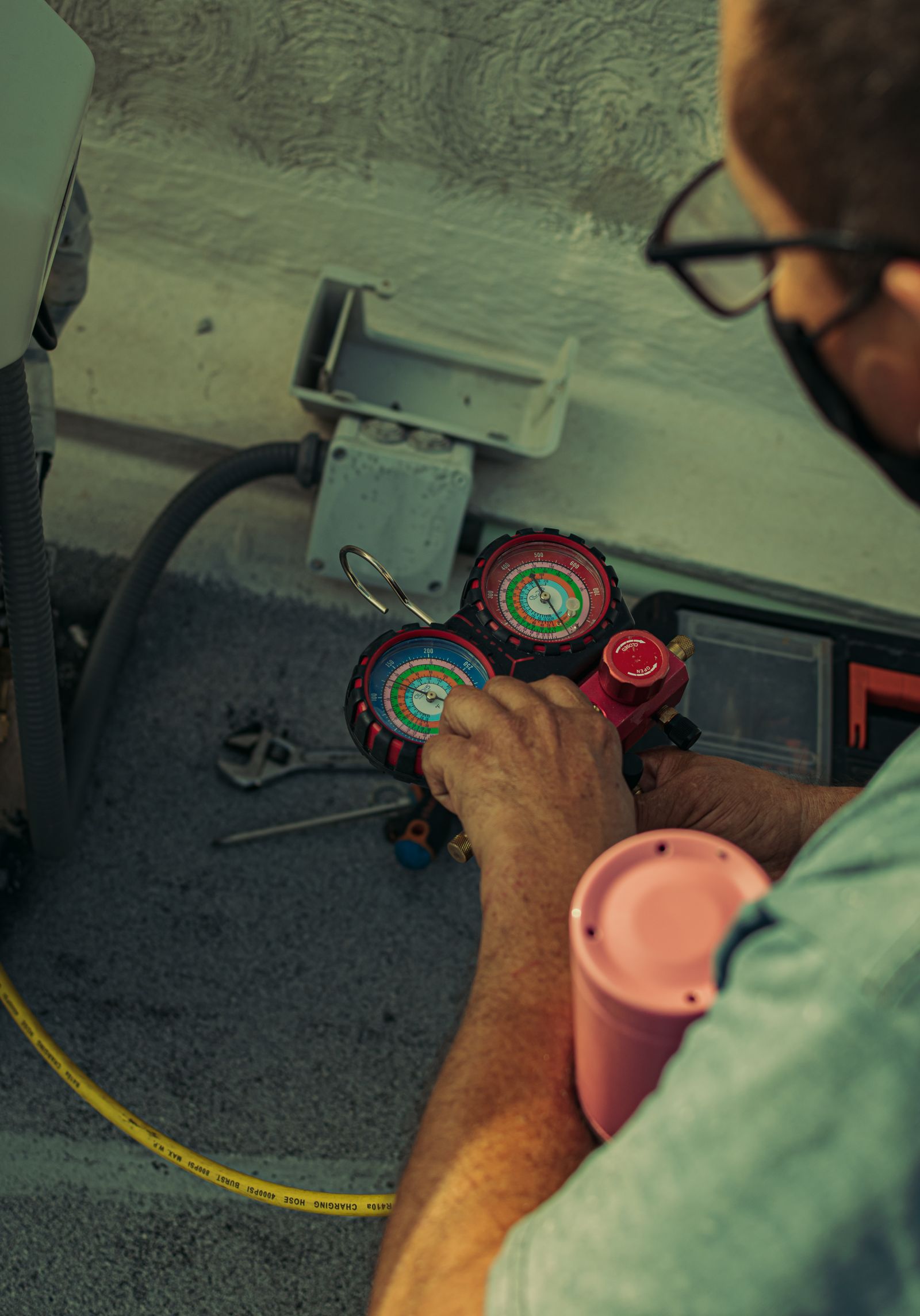
Tampa doesn’t let HVAC contractors off easy. You’ve got 90-degree temperatures in May and 90-degree temperatures in October, with a six-month stretch in the middle where it never really cools down and humidity sits at a level that makes outdoor air feel like breathing through a wet towel. Year-round cooling isn’t a luxury here. It’s infrastructure. Which means your sales reps should, in theory, have an easy job.
They don’t.
The Bay Area market is saturated. Homeowners in Hillsborough, Pinellas, and Pasco counties are getting three bids on everything. Private equity-backed HVAC companies have been aggressively consolidating and marketing across the region for the past three years. And the flood of snowbirds who treat Florida as their second home brings a specific kind of buyer who’s always comparing Florida prices to what they’d pay back in Ohio.
If your close rate is stuck in the 30-40% range, it’s not a lead problem. It’s a sales execution problem. This guide is about fixing that.
Why Tampa Is a Different Kind of HVAC Market
Most HVAC sales training is written for somewhere else. It’s built for the scorched-earth dry heat of Phoenix, or the seasonal peaks of Chicago, or the insurance-driven storm cycles of Texas. Tampa doesn’t fit any of those templates cleanly.
The humidity is the real villain. In Phoenix or Dallas, you’re selling cooling capacity. In Tampa, you’re selling comfort, and comfort is about humidity control as much as temperature. A homeowner who says “it gets to 85 inside but I can tolerate that” is underestimating how much the indoor humidity is affecting their health, sleep quality, and air quality. Reps who lead with BTUs and SEER ratings miss the actual problem. The best closers in the Tampa market have learned to make humidity the centerpiece of their pitch.
The year-round demand changes the urgency math. In northern markets, a broken AC in October feels like a problem you can delay. In Tampa, there’s no “off-season” to punt the decision to. A system that fails in November still means 75-degree nights and humid afternoons for three more months. That reality is useful, but only if your reps know how to use it without sounding like they’re pressure-selling.
The snowbird dynamic is real. A significant portion of Tampa Bay homeowners are semi-permanent. They’re there nine or ten months and gone in the summer. Some own their homes outright and are sitting on significant equity but are deeply price-skeptical. They’ve been selling people things for decades and they can smell a pitch from three rooms away. A rep who leads with features and monthly payment options on a snowbird homeowner is going to have a rough time.
The storm-readiness angle is underused. Hurricane season runs June through November. An aging HVAC system is a liability when you’re preparing a home for a potential storm event, both because storm damage can kill an already-weak unit and because homeowners often need to stay put during and after storms when power is restored. Contractors who connect system reliability to storm preparedness are adding a genuinely Tampa-specific reason to act now that competitors aren’t touching.
The Three Sales Problems Tampa HVAC Contractors Keep Hitting
1. Getting Crushed on Price When the Real Issue Is Discovery
Tampa homeowners are shopping. Actively. They’ll call three companies, get three quotes, and compare them on a spreadsheet, or at least tell you they will. Most reps respond to this by racing to the bottom or by throwing in a freebie (“I’ll knock $200 off if you sign today”). Neither works.
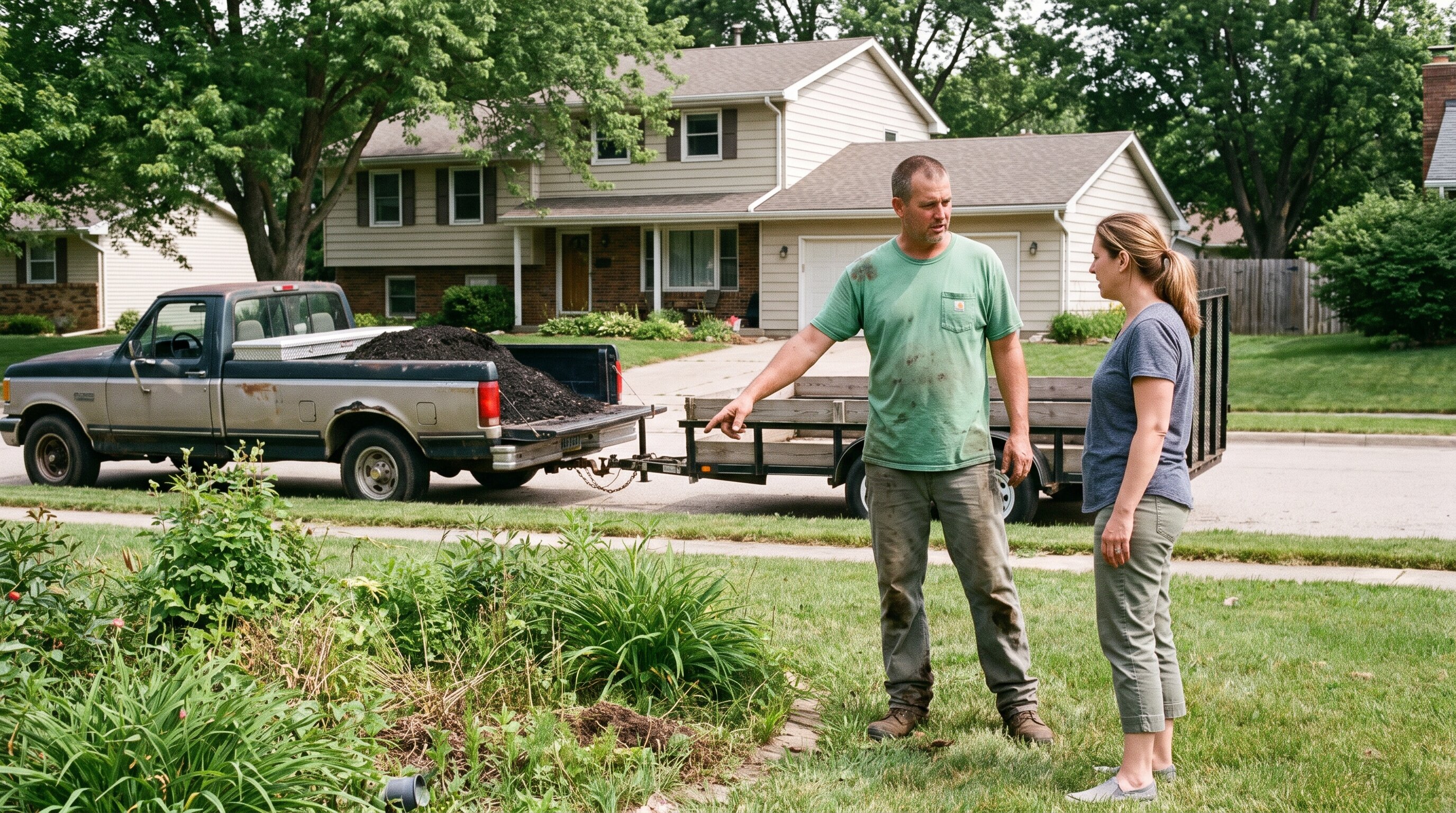
What actually changes the dynamic is better discovery upfront. When a rep spends the first ten minutes asking about the home, how old the duct system is, whether certain rooms run hot, how long the family plans to stay, whether they have anyone with allergies or respiratory issues. They’re building a case that goes beyond equipment. They’re finding the specific reasons this particular family needs a particular solution. By the time the price comes up, it’s not a comparison of identical products anymore. It’s a comparison of this solution to the generic quote the other guy dropped off.
Reps who skip discovery think they’re saving time. They’re losing deals.
2. Fumbling the Financing Conversation
Tampa is not a cash market. The median home price in the metro has climbed steadily, and homeowners are stretched. When a rep presents a $14,000 system replacement and then mentions financing as a footnote, the homeowner hears “$14,000” and starts looking for reasons to stall.
The reps who close consistently in Tampa lead with monthly payment options earlier in the conversation. Not as a discount strategy, but as a framing tool. “Most families end up in the $180-200 a month range. We can figure out what makes sense for you” lands differently than “the total would be $14,500, but we do offer financing.”
Financing needs to be part of the pitch, not a rescue move at the end.
3. Losing the Snowbird Buyer by Treating Them Like Any Other Homeowner
The semi-permanent resident is a specific buyer type that a lot of Tampa reps haven’t figured out. These homeowners are often retired, financially comfortable, and extremely skeptical of being sold to. They’ve been on the other side of sales conversations their whole lives. They respond very poorly to urgency tactics and very well to being treated as intelligent adults.
The key with this buyer is to slow down and educate. Show your work. Explain why the system is failing, not just that it is. Let them see the diagnostic data. Answer their questions fully without steering back to the close. The reps who win these buyers aren’t the ones who are smoothest. They’re the ones who are most patient and most transparent.
What Top-Performing Reps Do Differently in the Bay Area
The HVAC contractors consistently growing revenue per job in Tampa share a few habits worth studying.
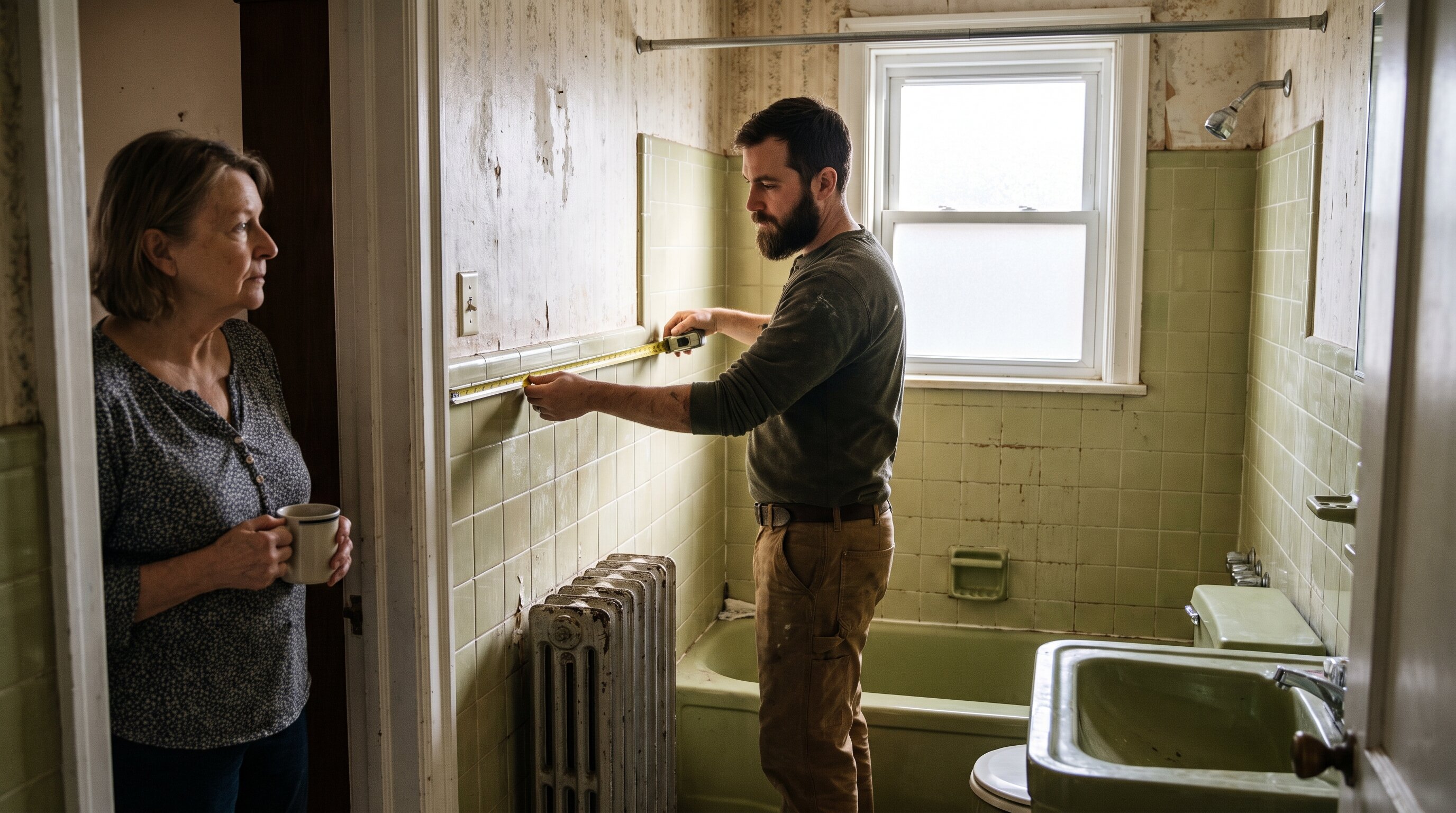
They treat the walkthrough as discovery, not formality. Instead of showing up, diagnosing the broken equipment, and building the quote, they walk the whole home first. They check every vent. They ask about the utility bill. They find out which rooms are uncomfortable and why. This takes fifteen extra minutes and routinely surfaces upgrade conversations, whole-house dehumidifiers, UV air purifiers, duct sealing, that the homeowner never would have raised themselves.
They separate real urgency from fake urgency. Tampa in August is genuinely urgent. A system that’s failing in the middle of a heat index advisory is a health issue, not just a comfort issue. Good reps make sure the homeowner understands the actual stakes, clearly, without melodrama, rather than manufacturing pressure. “We’re really busy this week so if you want to lock in our pricing…” is a pressure tactic. “This system has been running on borrowed time and here’s what could happen if it goes out completely in August” is honest urgency. Homeowners can tell the difference.
They don’t skip the indoor air quality conversation. Humidity, mold risk, allergens, Tampa homeowners who’ve lived here for more than a few years have dealt with at least one of these. The reps who know how to talk about indoor air quality as part of the HVAC solution are opening doors their competitors aren’t. Iaquality-connected products have better margins and genuinely serve the Tampa climate. That’s not upselling. That’s matching the right solution to the market.
You can learn more about how SalesAsk’s AI sales coaching for HVAC contractors tracks these conversation patterns across your whole team, not just the top reps.
The Coaching Problem Most Tampa Contractors Haven’t Solved
Here’s what typically happens with HVAC sales training in the Bay Area market: the owner or sales manager knows what good looks like. They’ve done the ride-alongs. They can spot the fumbled financing conversation and the rushed discovery from a mile away. But they can’t watch every appointment. Most managers are lucky if they listen to one or two sales calls a week, and by then, the pattern has already repeated itself dozens of times.
The result is that training happens in retrospect. A rep misses five deals on financing, the manager figures it out during a slow Friday, and they have a conversation that might or might not change the behavior going forward.
AI sales coaching changes this by making every conversation reviewable. Not by listening live, the tech doesn’t work that way, but by analyzing call recordings at scale and surfacing patterns the manager would never catch manually. Which reps are skipping discovery? Who’s presenting financing too late? Who’s getting killed by the “let me get another quote” objection and how are they responding?
One HVAC company in the SalesAsk portfolio went from a 38% close rate to 54% over two quarters, primarily by identifying that their reps were consistently missing the humidity and indoor air quality angle during kitchen table conversations. See how Cache’s HVAC grew sales coaching from one manager to the whole team.
That kind of pattern is invisible until you have a system that’s tracking it.
Tampa Is a Solvable Market
The Bay Area HVAC market is competitive, yes. The buyers are savvy. The snowbirds are skeptical. The PE-backed competitors have marketing budgets that would make your eyes water.
But it’s a market full of homeowners who genuinely need what you’re selling, year-round, with a climate that makes procrastination expensive. The opportunity is there. The question is whether your team has the skills and feedback loops to convert it consistently.
The contractors winning in Tampa right now aren’t winning on price. They’re winning on execution: on reps who know how to run a discovery conversation, how to present financing without flinching, and how to turn a humidity complaint into a full system recommendation. That’s trainable. That’s coachable. And the data from every appointment your team runs is already telling you exactly where to start.

Related articles

Ready to convert
every conversation?
See exactly what’s holding your team back and fix it fast.
.avif)