Tile and Countertop Sales Training: AI Coaching for Installation Contractors

Moe Abbas
CEO and Founder, SalesAsk
April 24, 2026
6
On this page
Tile and countertop installation sits in an interesting spot in the home improvement market. The ticket sizes are high enough to matter, $8,000 kitchen countertops, $12,000 tile overhauls, but the industry is competitive enough that homeowners often feel like they’re shopping commodities. Three contractors. Three bids. Lowest price wins.
That’s the story most contractors tell themselves, anyway. The reality is that homeowners regularly choose a higher-priced contractor because of how the sales conversation went, the confidence, the process explanation, the design sense, the feeling that this person actually knows what they’re doing.
The difference isn’t your samples or your portfolio. It’s how your people sell.
The Specific Challenge in Surface Sales
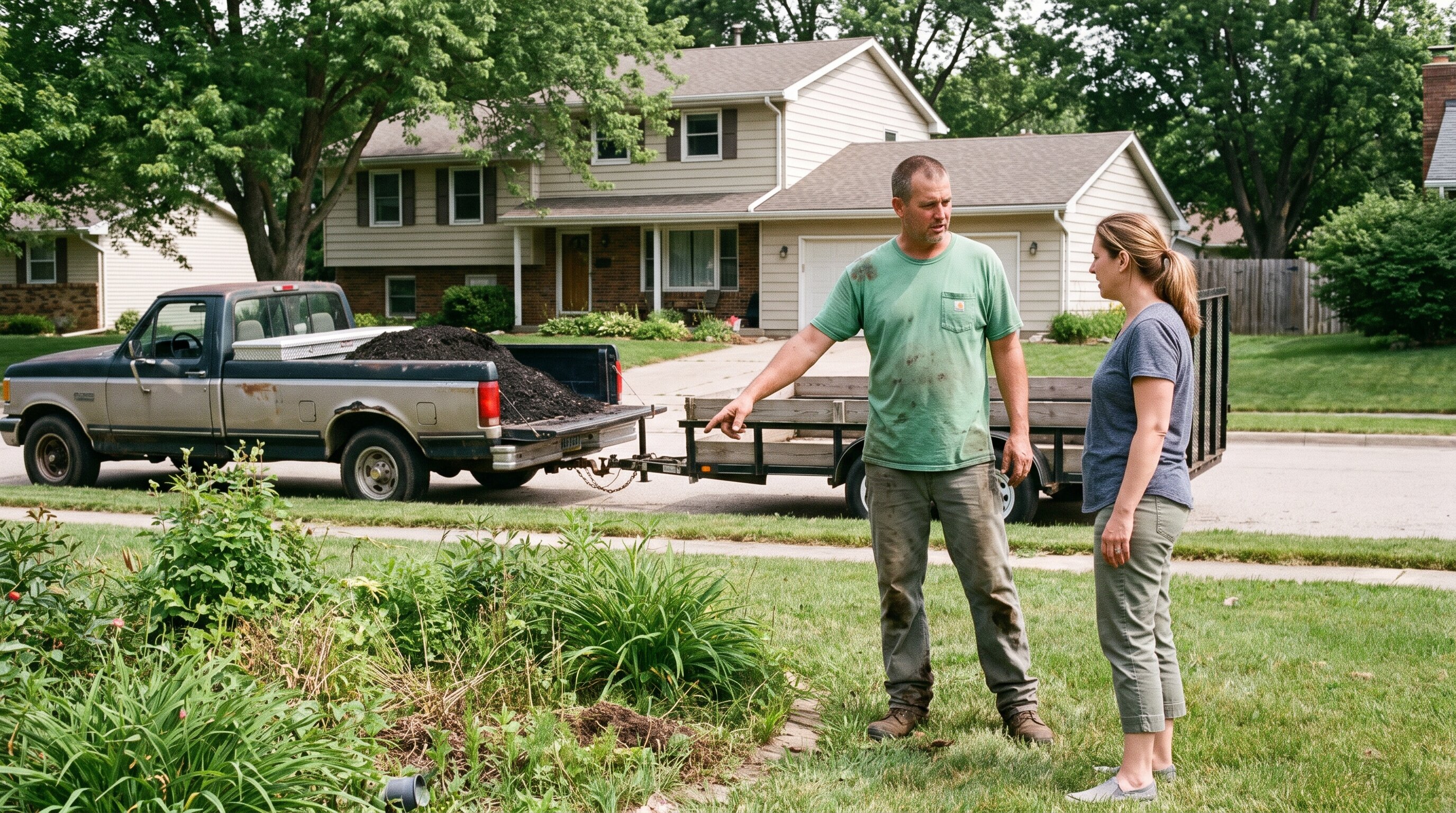
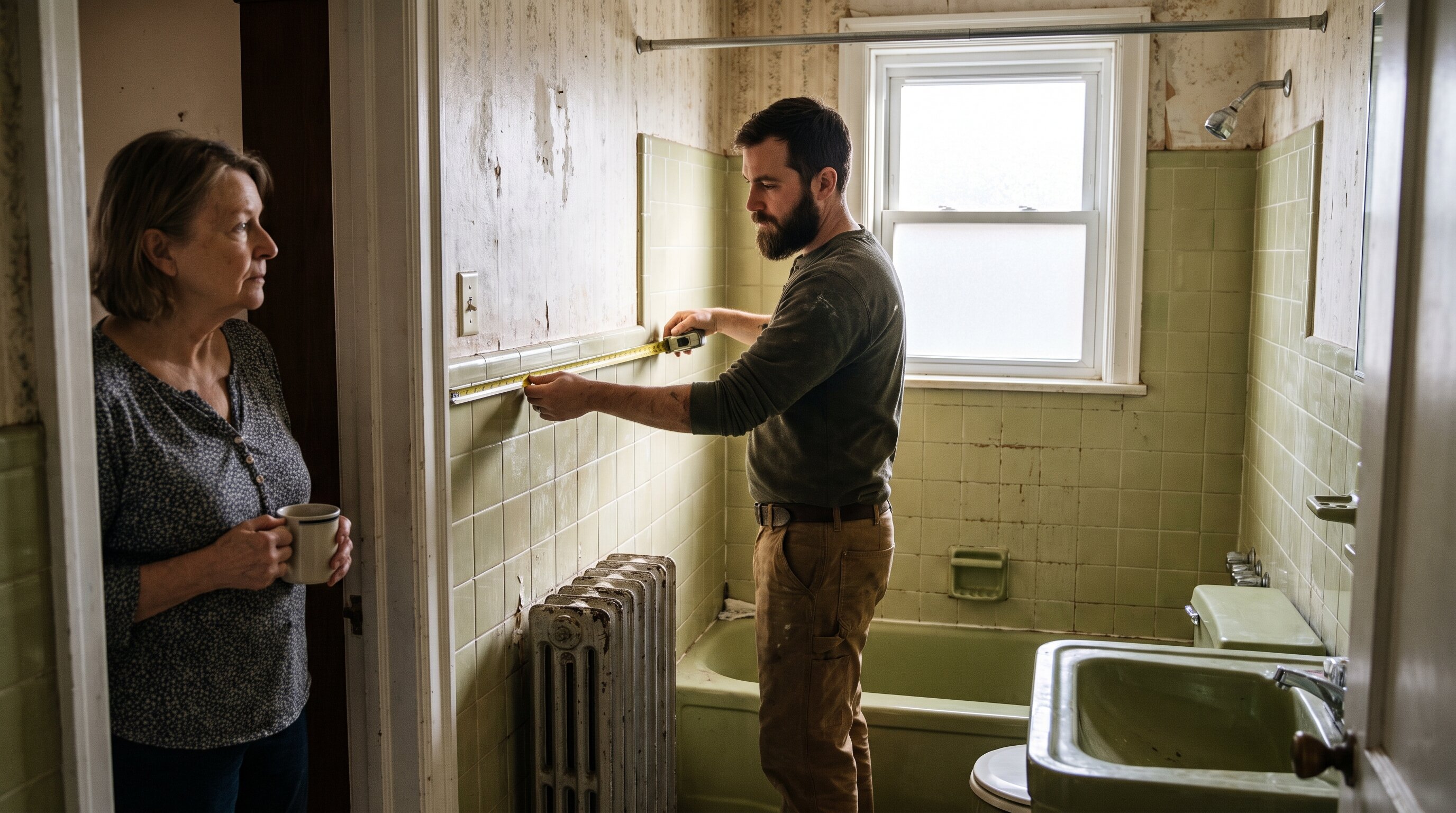
Unlike services where the scope is obvious (replace a water heater, repair a roof), surface installation involves a creative process. Homeowners are making aesthetic decisions they often feel insecure about. They’re worried about choosing the wrong material, the wrong color, the wrong pattern. They’re not just buying installation labor, they’re buying guidance.
Sales reps who understand this and lean into the consultative role, who help customers make decisions rather than just presenting options, close consistently better than reps who run through a features-and-price pitch.
The problem is that this consultative skill is hard to teach and hard to monitor. Ride-alongs help, but you can only be in one place at a time. And most sales managers in this space are former installers, not trained coaches.
AI coaching is specifically designed for this problem.
Where Most Tile and Countertop Sales Fall Apart
Failing to build design authority early. If a homeowner doesn’t believe you have good taste and real knowledge, they’ll use you as a measuring stick for the other bids rather than a trusted advisor. Reps who establish credibility in the first few minutes, talking intelligently about materials, durability tradeoffs, current trends, are in a much stronger position for the rest of the conversation.
Presenting options instead of making recommendations. “Here are six countertop materials, here are the price ranges, which do you want?” is how installers sell. “Based on your kitchen and how you described your cooking habits, I’d recommend quartz over granite here, and here’s why” is how consultants sell. The second approach wins more jobs at better margins.
Letting price be the only anchor. When a rep presents a $14,000 proposal without having walked the homeowner through what goes into that number, materials sourcing, surface prep, precision cutting, lifetime of the installation, they’re making it easy for a $9,000 bid to look equivalent. The conversation before the number matters.
AI sales coaching identifies which of these patterns are showing up in your reps’ actual conversations. Not hypothetically: based on what they’re really saying in the field.
What Systematic Training Looks Like
The goal is to get every rep running a consistent consultative process, not a script, but a reliable framework for how these conversations should unfold.
Step one is capturing how your best performer works. There’s almost always one person on the team who closes more deals at higher ticket values than everyone else. They’ve internalized a process over years of customer interactions. Virtual ridealong tools record and analyze that process so you can understand what they’re actually doing differently.
Step two is training that process into everyone else. AI coaching gives each rep specific feedback after each customer interaction, based on your defined framework. Not generic advice. Specific observations: “In this conversation, you presented three material options without giving a recommendation. Here’s how your highest-performing colleagues handle this moment.”
Over 60-90 days, your newer reps develop the same consultative instincts that your top closer has spent years building.
Handling the Price Comparison Objection
This is the one that comes up in almost every tile and countertop sales conversation, and how a rep handles it often determines whether they win the job.
“I’ve got a quote for $4,000 less from another contractor.”
The wrong response: justify your price with vague quality claims. The right response: explain specifically what the difference in price likely represents, different material specs, different surface prep, different guarantees, different experience level on complex cuts or pattern matching.
Reps who can have this conversation in a concrete, non-defensive way close jobs they’d otherwise lose. AI coaching tracks how each rep handles this moment and gives them specific language patterns that work better.
The Upsell Opportunity Most Contractors Miss
Kitchen and bathroom renovations are natural expansion points. A homeowner who’s redoing their countertops is often already thinking about backsplash. Someone who’s tiling a mudroom may be considering the hallway. The project that came in as a $6,000 countertop replacement can become a $14,000 full kitchen surface update if the rep is thinking about the bigger picture.
This doesn’t mean pushing unnecessary work. It means asking the right questions: “Are you happy with the backsplash as is, or is that something you’ve been thinking about?” “The floor tile is starting to show wear in the high-traffic areas, is that on your radar?”
Reps who are trained to have this expanded conversation without it feeling like upselling win larger jobs and build stronger customer relationships. AI coaching helps identify which reps are taking these opportunities and which ones are leaving money on the table.
Practical Results from AI Sales Coaching
Contractors who implement AI coaching through SalesAsk see consistent patterns in the data:
- Newer reps close at rates much closer to senior reps within the first 90 days
- Average ticket values increase as upselling becomes more systematic
- Customer feedback improves because reps feel more like advisors than salespeople
The Connell Roofing case study shows how a similar dynamic played out in roofing: high-ticket jobs, consultative sell, distributed team. The same principles transfer directly.
Discover how AI-driven coaching transforms restoration sales performance, our guide on mold remediation sales training shows how contractors can improve close rates, handle objections faster, and turn more inspections into high-value projects with consistent, data-backed coaching.
Getting Your Team Started
You don’t need to wait until you have a full training infrastructure in place. Most tile and countertop companies start small: one or two reps, one month of data, see what the coaching surfaces.
The first two weeks usually show you two or three patterns that are costing you deals. Fix those. Then move to the next layer.
Request a demo to see how the platform works for installation contractors specifically. The onboarding is straightforward; the improvement curve tends to be steep in the first few months.
Related Topics: tile installation sales training, countertop contractor sales coaching, home improvement AI sales coaching, surface installation sales tips, AI coaching for contractors, kitchen remodel sales training, countertop sales close rate*
About the author
Moe Abbas
CEO and Founder, SalesAsk
Moe Abbas is the CEO and founder of SalesAsk, the AI platform that records and coaches in-home sales conversations for home service, home improvement and home builder teams.
He spent more than 20 years in the trades before software, building and scaling companies that generate more than $40M a year. That is where his book, The One Meeting Close: How the Top 1% of Reps in Home Services Close in the First Meeting, came from: his own kitchen table appointments and his reps'.
At SalesAsk he created Coach Dean, the AI sales and compliance coach that hears every visit, scores every step and writes coaching back to the rep. He speaks at industry events on the first-visit close, safety-first selling and building a coaching culture without more ride-alongs.
Everything he writes here comes from recorded conversations and the teams that run them, not from theory.
Moe Abbas
About SalesAsk
Written by the SalesAsk team
SalesAsk records and coaches in-home sales conversations for home service, home improvement and home builder teams.
More postsKeep reading
All posts



Tile and countertop installation sits in an interesting spot in the home improvement market. The ticket sizes are high enough to matter, $8,000 kitchen countertops, $12,000 tile overhauls, but the industry is competitive enough that homeowners often feel like they’re shopping commodities. Three contractors. Three bids. Lowest price wins.
That’s the story most contractors tell themselves, anyway. The reality is that homeowners regularly choose a higher-priced contractor because of how the sales conversation went, the confidence, the process explanation, the design sense, the feeling that this person actually knows what they’re doing.
The difference isn’t your samples or your portfolio. It’s how your people sell.
The Specific Challenge in Surface Sales
Unlike services where the scope is obvious (replace a water heater, repair a roof), surface installation involves a creative process. Homeowners are making aesthetic decisions they often feel insecure about. They’re worried about choosing the wrong material, the wrong color, the wrong pattern. They’re not just buying installation labor, they’re buying guidance.
Sales reps who understand this and lean into the consultative role, who help customers make decisions rather than just presenting options, close consistently better than reps who run through a features-and-price pitch.
The problem is that this consultative skill is hard to teach and hard to monitor. Ride-alongs help, but you can only be in one place at a time. And most sales managers in this space are former installers, not trained coaches.
AI coaching is specifically designed for this problem.
Where Most Tile and Countertop Sales Fall Apart
Failing to build design authority early. If a homeowner doesn’t believe you have good taste and real knowledge, they’ll use you as a measuring stick for the other bids rather than a trusted advisor. Reps who establish credibility in the first few minutes, talking intelligently about materials, durability tradeoffs, current trends, are in a much stronger position for the rest of the conversation.
Presenting options instead of making recommendations. “Here are six countertop materials, here are the price ranges, which do you want?” is how installers sell. “Based on your kitchen and how you described your cooking habits, I’d recommend quartz over granite here, and here’s why” is how consultants sell. The second approach wins more jobs at better margins.
Letting price be the only anchor. When a rep presents a $14,000 proposal without having walked the homeowner through what goes into that number, materials sourcing, surface prep, precision cutting, lifetime of the installation, they’re making it easy for a $9,000 bid to look equivalent. The conversation before the number matters.
AI sales coaching identifies which of these patterns are showing up in your reps’ actual conversations. Not hypothetically: based on what they’re really saying in the field.
What Systematic Training Looks Like
The goal is to get every rep running a consistent consultative process, not a script, but a reliable framework for how these conversations should unfold.
Step one is capturing how your best performer works. There’s almost always one person on the team who closes more deals at higher ticket values than everyone else. They’ve internalized a process over years of customer interactions. Virtual ridealong tools record and analyze that process so you can understand what they’re actually doing differently.
Step two is training that process into everyone else. AI coaching gives each rep specific feedback after each customer interaction, based on your defined framework. Not generic advice. Specific observations: “In this conversation, you presented three material options without giving a recommendation. Here’s how your highest-performing colleagues handle this moment.”
Over 60-90 days, your newer reps develop the same consultative instincts that your top closer has spent years building.
Handling the Price Comparison Objection
This is the one that comes up in almost every tile and countertop sales conversation, and how a rep handles it often determines whether they win the job.
“I’ve got a quote for $4,000 less from another contractor.”
The wrong response: justify your price with vague quality claims. The right response: explain specifically what the difference in price likely represents, different material specs, different surface prep, different guarantees, different experience level on complex cuts or pattern matching.
Reps who can have this conversation in a concrete, non-defensive way close jobs they’d otherwise lose. AI coaching tracks how each rep handles this moment and gives them specific language patterns that work better.
The Upsell Opportunity Most Contractors Miss
Kitchen and bathroom renovations are natural expansion points. A homeowner who’s redoing their countertops is often already thinking about backsplash. Someone who’s tiling a mudroom may be considering the hallway. The project that came in as a $6,000 countertop replacement can become a $14,000 full kitchen surface update if the rep is thinking about the bigger picture.
This doesn’t mean pushing unnecessary work. It means asking the right questions: “Are you happy with the backsplash as is, or is that something you’ve been thinking about?” “The floor tile is starting to show wear in the high-traffic areas, is that on your radar?”
Reps who are trained to have this expanded conversation without it feeling like upselling win larger jobs and build stronger customer relationships. AI coaching helps identify which reps are taking these opportunities and which ones are leaving money on the table.
Practical Results from AI Sales Coaching
Contractors who implement AI coaching through SalesAsk see consistent patterns in the data:
- Newer reps close at rates much closer to senior reps within the first 90 days
- Average ticket values increase as upselling becomes more systematic
- Customer feedback improves because reps feel more like advisors than salespeople
The Connell Roofing case study shows how a similar dynamic played out in roofing: high-ticket jobs, consultative sell, distributed team. The same principles transfer directly.
Discover how AI-driven coaching transforms restoration sales performance, our guide on mold remediation sales training shows how contractors can improve close rates, handle objections faster, and turn more inspections into high-value projects with consistent, data-backed coaching.
Getting Your Team Started
You don’t need to wait until you have a full training infrastructure in place. Most tile and countertop companies start small: one or two reps, one month of data, see what the coaching surfaces.
The first two weeks usually show you two or three patterns that are costing you deals. Fix those. Then move to the next layer.
Request a demo to see how the platform works for installation contractors specifically. The onboarding is straightforward; the improvement curve tends to be steep in the first few months.
Related Topics: tile installation sales training, countertop contractor sales coaching, home improvement AI sales coaching, surface installation sales tips, AI coaching for contractors, kitchen remodel sales training, countertop sales close rate*