Most crawl space encapsulation reps walk into a home with a flashlight, come out with a quote, and then wonder why the homeowner ghosts them for two weeks before calling a competitor. The problem isn’t the product — encapsulation genuinely protects homes from moisture damage, mold, and structural decay. The problem is the sales conversation itself.
Homeowners don’t buy crawl space encapsulation the way they buy a new HVAC unit or a roof repair. They can’t see it working. They don’t feel immediate relief. And the price tag — usually between $5,000 and $15,000 — requires a level of trust and urgency that most contractors haven’t been trained to build.
This is where AI sales coaching is quietly changing the game for moisture and foundation contractors.
The Invisible Problem, Invisible Product Challenge
Selling crawl space encapsulation is fundamentally a fear-and-logic sale. You’re asking someone to spend serious money on a problem they couldn’t point to on a map before you showed up.
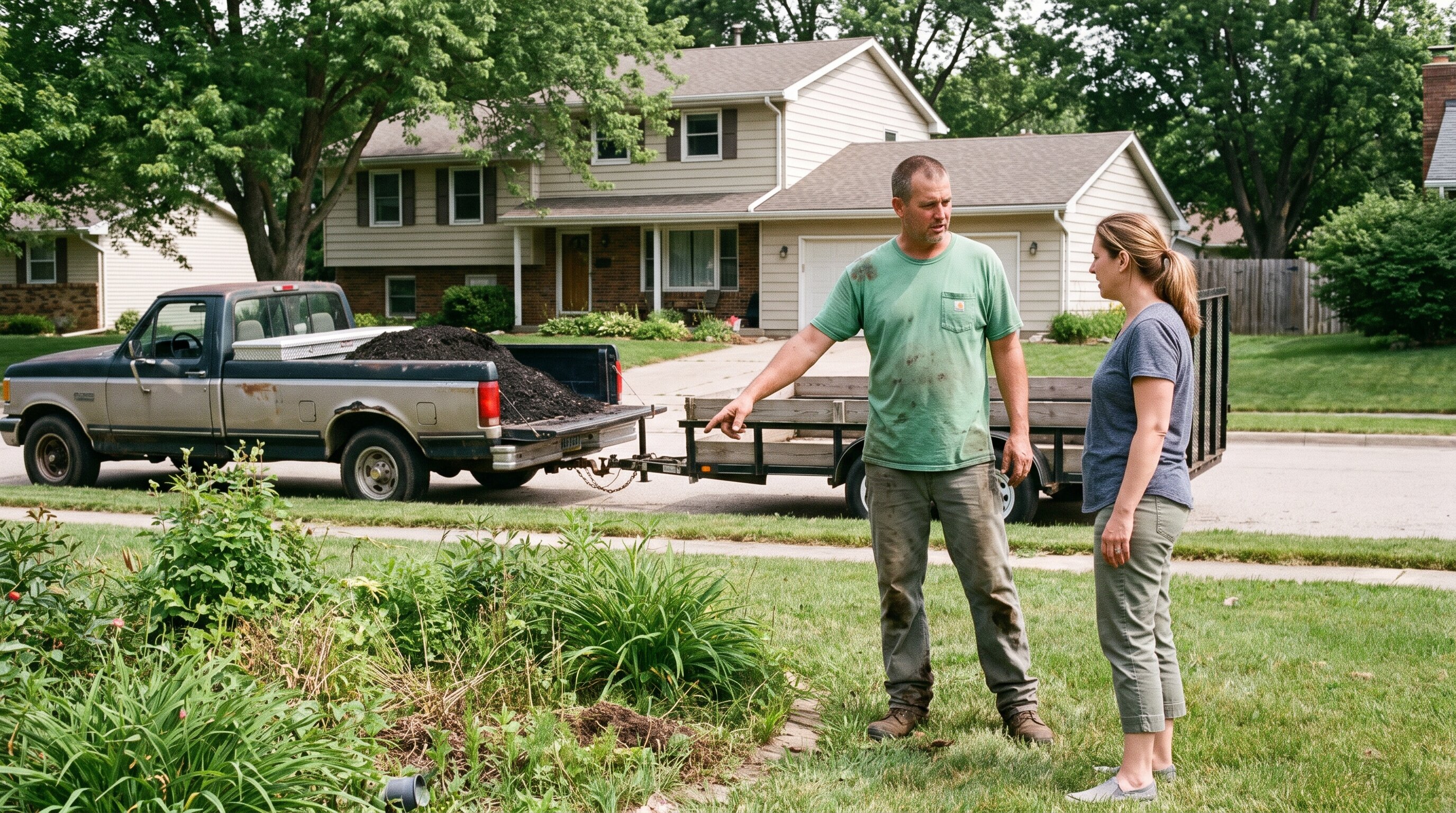
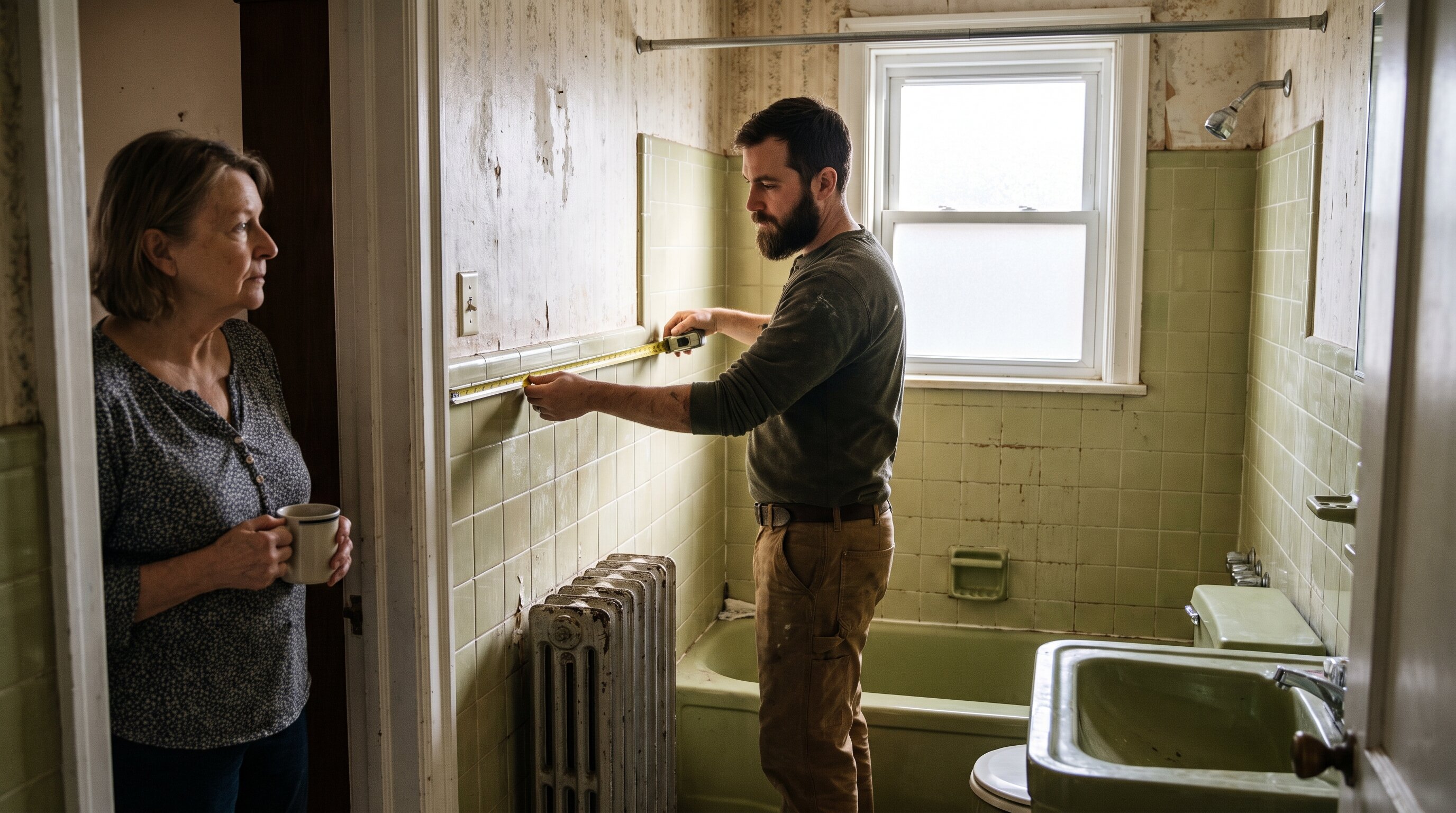
The best reps understand this. They spend the first 15 minutes of every appointment creating context — showing photos, explaining what standing moisture does to floor joists over time, connecting the musty smell in the living room to what’s happening six feet below. They’re not pitching. They’re educating.
But most reps don’t do this consistently. They rush to the quote, skip the discovery, and deliver a number without building the urgency that justifies it.
AI coaching tools like SalesAsk’s real-time coaching listen to these appointments and flag exactly where reps are dropping the ball. Did they explain the moisture vapor barrier before quoting? Did they tie the homeowner’s specific concern (high energy bills, allergies, a musty smell) to the solution? Did they handle the “let me get another quote” objection or just fold?
What Crawl Space Reps Get Wrong Most Often
Working with home services teams across the country, a few patterns show up again and again in crawl space sales calls:
Skipping the crawl space walk-through explanation. A lot of reps pull out the quote sheet before explaining what they actually found down there and why it matters. Homeowners can’t buy what they don’t understand.
Quoting too early. The price lands before the problem feels real. At that point, $8,500 sounds like a lot for something abstract. The rep who waits, builds urgency, and then presents price tends to close at a much higher rate.
No urgency framework. “You should take care of this at some point” is not urgency. “The moisture levels we’re seeing typically cause floor sagging within 18-24 months, and remediation at that point is significantly more expensive” is urgency.
Weak second-visit strategy. The “I need to think about it” close rates poorly without a clear follow-up plan. Top reps have a specific script for what happens in the 24-48 hours after the appointment.
AI coaching surfaces these gaps from real call recordings — not simulated scenarios, but actual appointments with actual homeowners. That’s what makes the feedback actionable rather than theoretical.
How AI Coaching Works in the Field
The setup is straightforward. Reps record their appointments (with homeowner consent, where required), and the AI analyzes the conversation against proven sales frameworks. Within hours, the rep gets specific feedback:
- Where they talked too much
- Questions they forgot to ask
- Objections they handled weakly
- Moments where a different phrase would have moved things forward
For crawl space companies specifically, virtual ride-alongs offer another layer. Instead of waiting for a manager to physically ride along (which happens rarely and feels artificial), AI provides the equivalent coaching on every call. The rep gets feedback as if a senior closer had been in the room.
This scales in a way that traditional field management can’t. One sales manager can’t ride along with five reps simultaneously. AI coaching can.
Training New Reps Faster
Crawl space companies struggle with a specific onboarding problem: the product knowledge curve is steep. New reps need to understand moisture dynamics, vapor barriers, drainage systems, and structural implications before they can credibly walk a homeowner through the problem. That alone takes weeks.
AI roleplay tools let new reps practice the conversation before they’re in front of real homeowners. They can run through the discovery phase, handle objections, practice the urgency framework — all without burning real leads.
One pattern that works well: have new reps shadow three or four appointments, then use AI roleplay to practice what they saw. The combination of observation and repetition accelerates competency significantly faster than just shadowing alone.
See how other home services teams have cut ramp time using this approach.
Handling the “I Need to Get Another Quote” Objection
This is the objection that kills more crawl space deals than any other. And most reps handle it poorly — either by offering a discount immediately (which destroys margin) or by backing off entirely (which loses the sale).
The strongest response acknowledges the homeowner’s logic while creating mild urgency:
“That makes sense, and I’d encourage you to compare. What I’d suggest is comparing scope carefully — not just price. Some quotes will include vapor barrier plus drainage; some will just include barrier. Make sure you’re comparing apples to apples. I’ll leave you a checklist of what to ask.”
This positions the rep as a trusted advisor, not a salesperson fighting for the deal. It also frames the competitor conversation in a way that tends to favor reps who explain their solution more thoroughly.
AI coaching identifies when reps handle this objection well versus when they capitulate or get defensive — and provides specific language alternatives.
Metrics That Actually Move
Crawl space companies using AI-assisted coaching typically see improvement in three specific areas within 60-90 days:
Close rate on first-visit appointments. The goal isn’t always to close on the first visit — but with encapsulation, the homeowner’s urgency often peaks immediately after the walk-through. Reps who build that urgency well close a higher percentage same-day.
Average job value. When reps explain the full scope of what they’re addressing (not just the vapor barrier but drainage, ventilation, structural supports where needed), upsell rates on those components improve.
Follow-up conversion rate. Better AI-informed second-visit scripts turn more “thinking about it” situations into booked jobs.
If your close rate is below 30% on crawl space appointments, that’s a training problem — not a market problem. The demand is there. The homes need the work. The gap is in the sales conversation.
Where to Start
If you’re running a crawl space or moisture remediation company and you haven’t started tracking what’s actually happening in your sales appointments, that’s the first step. You can’t coach what you can’t see.
The next step is getting AI coaching in place to analyze those conversations systematically — not just when a manager has time to listen, but on every call, every week.
Request a demo to see how SalesAsk works for home services contractors.
The difference between a 25% close rate and a 40% close rate on crawl space jobs is real money. It’s also a coaching problem that’s very solvable.
Related Topics: crawl space encapsulation sales training, moisture remediation sales coaching, foundation contractor sales tips, AI coaching for home services contractors, how to close crawl space encapsulation jobs, vapor barrier sales training, home services sales coaching software

Related articles

Ready to convert
every conversation?
See exactly what’s holding your team back and fix it fast.
.avif)