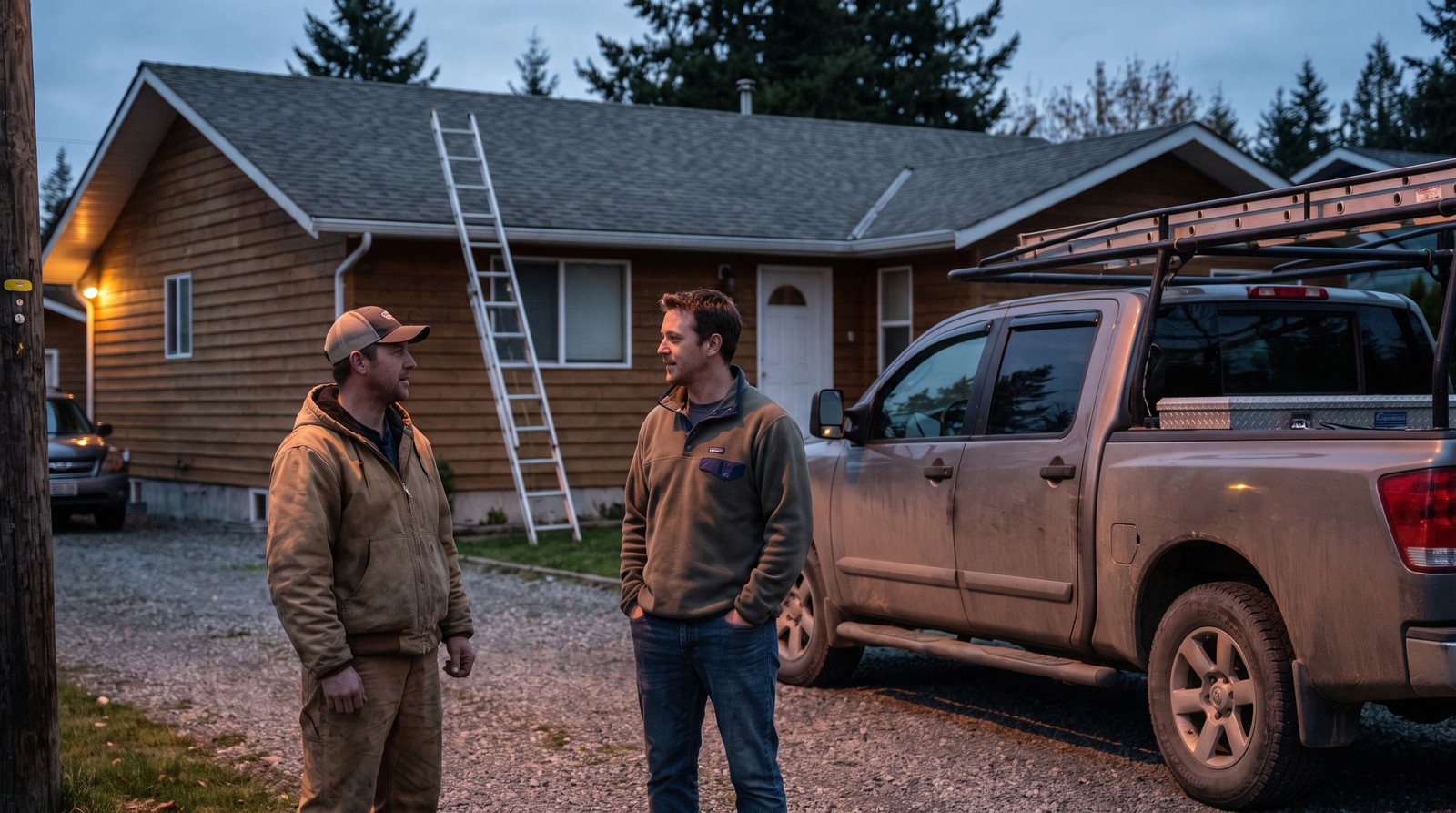
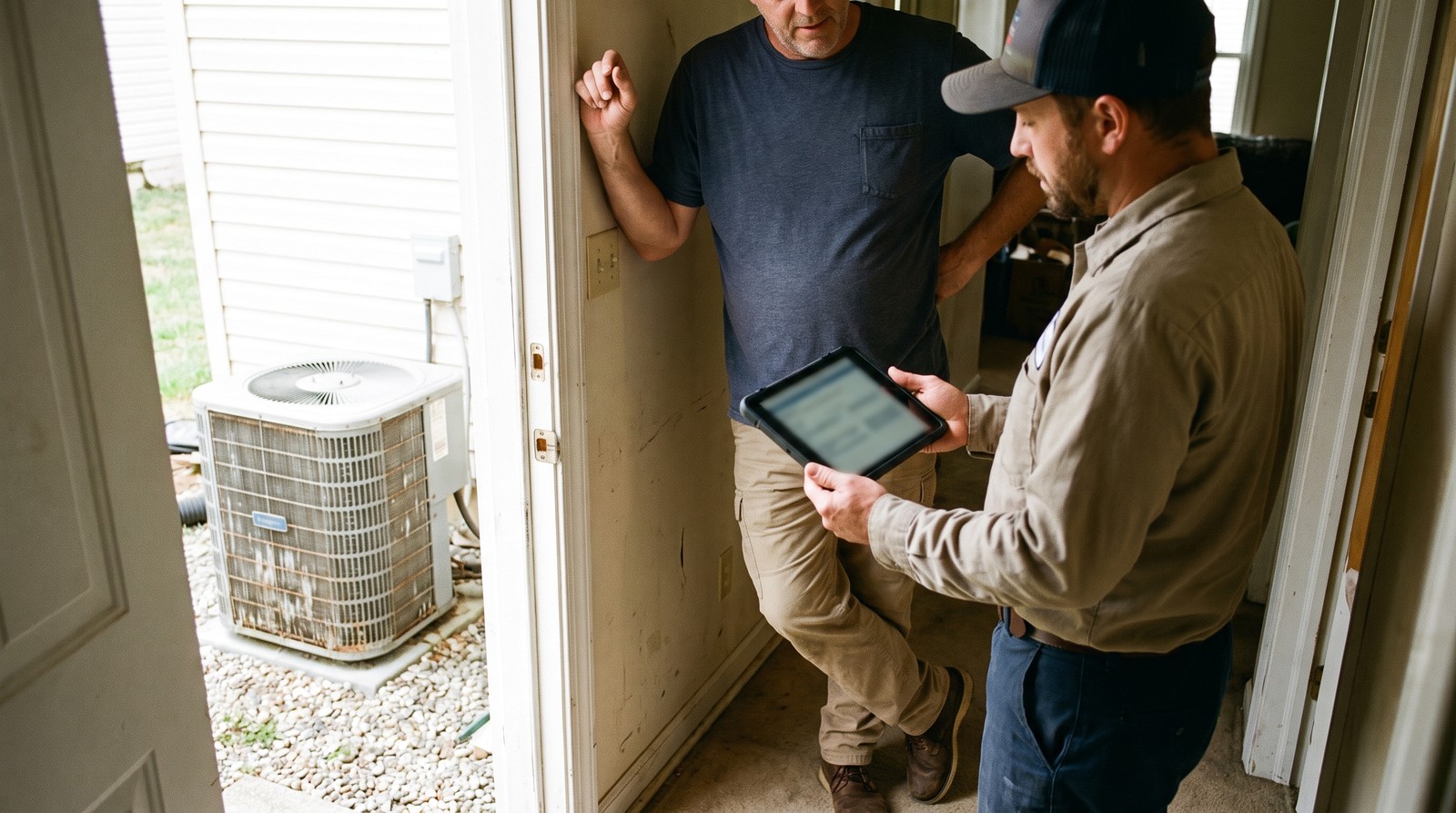
One-Call Close for Home Improvement Sales
Dara Shabnam
Head of Growth, SalesAsk
September 10, 2026
8

On this page
In 1972 the Federal Trade Commission wrote a rule about people like us. The Cooling-Off Rule gives a homeowner three business days to cancel a contract of $25 or more signed in their own home, and it exists because in-home sellers of that era were so reliably good at getting a signature the same night that Washington decided buyers needed a legal escape hatch. Fifty years later, most in-home sales training still optimizes for the exact moment that rule was written to defuse: the close, tonight, at the kitchen table, before the truck leaves the driveway.
I think that model is dying. Not dead, and not everywhere, but dying in retail home improvement, and the evidence is sitting in what homeowners do in the seventy-two hours after your rep drives away.
Why did the one-call close take over in-home sales?
Because for half a century it was the rational play: driving back to a house cost more than discounting on the spot, and the homeowner had no practical way to compare you after you left.
The economics were honest, even when the tactics were not. A rep who spent two hours in a home and left without paper had to win the job by phone against competitors the homeowner met later, with fresher pricing and the last word. Windshield time was expensive. Leads were expensive. So the industry built an entire architecture around never leaving empty-handed: the full demo, the price drop, the manager call from the truck, the tonight-only discount, the policy of rescheduling any appointment where one spouse was missing. Whole window and bath franchises ran on it, and plenty still do, profitably.
It also produced real skill. The best one-call closers I have listened to are excellent at surfacing objections early, building value before price, and asking directly for a decision. None of that should go away. What is going away is the premise underneath it: that the homeowner's decision happens while you are in the room.
Why does the one-call close work less than it used to?
Because the decision moved: homeowners now finish the sale after you leave, phone in hand, and the same-day contract has become the specific thing consumer advice warns them about.
Walk through what a replacement-window or HVAC buyer actually does now. Before your appointment they have read reviews and asked a neighborhood group who else to call. Every consumer checklist they encounter tells them to collect three bids and to be suspicious of any price that expires when the salesperson leaves. The FTC's own consumer guidance on the Cooling-Off Rule is written in the language of regret, on the assumption that a same-day signature is something a buyer may need to undo.
Then your rep leaves, and the part of the sale you cannot see begins. The spouse who was at work gets a photo of a quote with no context. The homeowner googles the model number on the proposal. Another contractor shows up Thursday and prices against a number your rep wrote by hand. In the recorded conversations our customers review, the ending of a lost appointment is rarely a no. It is some version of "we have two more people coming out," said warmly, followed by silence. We wrote a whole piece on that silence and why it happens, and the short version is that the homeowner did not ghost you at the door. They ghosted you three days later, mid-comparison, when your quote was the one they could no longer interrogate.
A caveat before anyone in storm restoration writes me an annoyed email: hail changes everything. When a storm hits, crews book out, insurance clocks run, and the homeowner's alternative to signing today is genuinely worse. One-call closing in storm work is not pressure, it is logistics. The same is true at the low end: nobody needs a decision room for a small service agreement. The argument here is about considered purchases, the replacement and remodel jobs big enough that the household deliberates.
Should reps stop asking for the sale on the first visit?
No. Asking directly still wins jobs, and a team that stops asking will lose more than one-call culture ever cost them.
This is the part I want to be careful with, because "the one-call close is dying" can curdle into an excuse. A rep who hears it as "they'll decide later anyway" stops doing discovery, stops handling objections, and starts emailing quotes like a clerk. That team gets worse, fast.
The position I would actually defend: keep the ask, kill the artificial deadline. Ask for the business in the home, every time, and be willing to hear yes. What I would stop doing is engineering the entire company so that a first-visit signature is the only outcome that counts. When comp plans pay meaningfully less on a job that closes on day four, reps burn trust forcing day one. That is where the worst habits live: the fake manager call, the discount that was always available, the price that mysteriously survives its own expiration. Homeowners compare notes about all of it, in public, by name.
There is a quieter cost too. We have written before about unforced discounts, the money reps give away when they feel a decision slipping. The same-day-or-dead mindset is the biggest single generator of them. A rep with no credible follow-up motion has exactly one lever left at the kitchen table, and it is price.
What replaces the one-call close?
A decision environment the homeowner can re-enter on their own schedule: a live digital proposal with real options, plus follow-up that answers the household's actual questions instead of asking whether they have decided yet.
The industry has started to admit the visit is not where deals finish. Siro, one of our competitors, recently launched Re-Engage, a product that mines recorded conversations for unclosed prospects and tells reps whom to chase and when. Rilla's training content still teaches winning the sale inside the home. Both are internally consistent, and both are rep-side answers: better chasing, better closing. Fair enough. Chasing beats forgetting.
But the homeowner's problem after the visit is not that nobody called them. It is that the deliberation happens with terrible materials: a folded paper quote, a spouse working from a photo of it, three bids that are not comparable line by line. Whoever fixes the deliberation tends to win it. That is the thesis behind Homeplan, the buyer-facing product we shipped in July, and you should weigh my obvious bias accordingly: it keeps the proposal, the options, the photos from the visit, and the answers to new questions in one place the whole household can open at 9pm. The follow-up call changes from "have you decided" to "I saw you were looking at the heat pump option, want me to price the electrical work into it."
| One-call close | Chase follow-up | Decision environment | |
|---|---|---|---|
| Where the decision happens | In the home, tonight | On a callback, if answered | In the household's own deliberation |
| What the homeowner holds afterward | A signed contract, or nothing | A paper quote and voicemails | A live proposal with options |
| Main pressure source | Expiring price | Persistence | Clarity against other bids |
| Where it wins | Storm work, urgent replacements | Warm but stalled prospects | Considered, multi-bid purchases |
| How it fails | Rescission and regret | Ignored calls | Lazy reps who stop asking |
How do you coach a team out of one-call culture?
Change what you measure first: score the fourteen-day close alongside the same-day close, and review what your reps do in the last ten minutes of appointments that did not sign.
Culture follows the scoreboard. If your Monday meeting only celebrates same-day signatures, your reps will keep torching goodwill to get them. Track the jobs that close within two weeks of the visit as first-class wins. Then listen to the recordings. The last ten minutes of a non-closing appointment is where you hear whether the rep set up the deliberation or just retreated from it. "I'll email you the quote" is a retreat. "Here's where everything will live, here's what to compare when the other bids come in, and I'll check in Thursday" is a setup.
One thing I cannot show you yet: longitudinal proof. We do not have a full season of data comparing teams that dropped same-day incentives against teams that kept them, and I expect some teams that loosen the deadline will see first-visit close rates dip before fourteen-day rates recover. If you run that experiment, run it with both numbers on the wall.
The practical move this week costs nothing. Pull your last ten lost estimates. For each one, write down what the homeowner was holding while they made the final decision. If the honest answer is a folded quote and a memory of your rep, you have found the gap, and it is not in your closing script.
FAQ
Is the one-call close illegal?
No. High-pressure tactics are legal in most forms, but the FTC Cooling-Off Rule gives buyers three business days to cancel most in-home contracts of $25 or more, so a pressured signature can simply unwind. Several states add their own rescission rights on top.
Does the one-call close still work in roofing?
In storm and insurance work, yes, because the urgency is real. In retail replacement roofing, homeowners increasingly treat it like any other multi-bid purchase and the same-day contract gets harder every year.
What close rate should I expect on first visits?
It varies too much by trade, ticket size, and lead source for a single benchmark to mean anything. Measure your own same-day rate and your fourteen-day rate together; the second number is the one most contractors have never looked at.
How fast should I follow up after an estimate?
Same day, with a recap that adds something new rather than asking for a decision. We published a full follow-up playbook for contractors that covers sequence and timing.
What is a decision room?
A shared digital space where your proposal, options, visit photos, and answers live after the appointment, so the household deliberates with your materials instead of a paper quote. We wrote a full guide to how contractors use them.
Do tonight-only discounts still work?
They still close some jobs, and they still train every buyer who checks reviews to distrust your pricing. With a three-day rescission right behind most of those signatures, the discount often buys you a cancellation instead of a job.
Sources
- Federal Trade Commission, Cooling-Off Rule (16 CFR Part 429): ftc.gov/legal-library/browse/rules/cooling-rule
- FTC consumer guidance on canceling in-home sales: consumer.ftc.gov
- Siro, "Turn 'Not Yet' Into 'Yes': Introducing Siro Re-Engage": siro.ai/blog/re-engage
- Rilla, "HVAC Sales 101: 5 Best Practices to Land the Sale": rilla.com/reports
About the author
Dara Shabnam
Head of Growth, SalesAsk
Dara Shabnam leads growth at SalesAsk. She writes about in-home sales training, recording consent, and what the recorded conversations of home service and trades teams show about how jobs are actually won.
Dara Shabnam
About SalesAsk
Written by the SalesAsk team
SalesAsk records and coaches in-home sales conversations for home service, home improvement and home builder teams.
More postsKeep reading
All posts

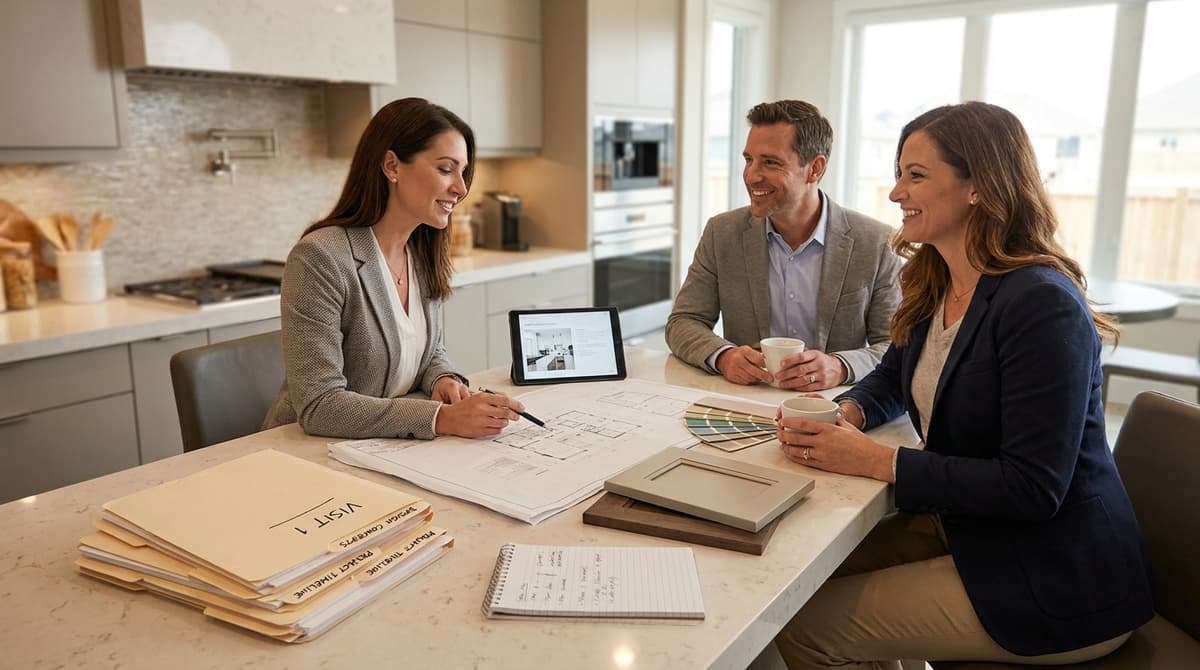

In 1972 the Federal Trade Commission wrote a rule about people like us. The Cooling-Off Rule gives a homeowner three business days to cancel a contract of $25 or more signed in their own home, and it exists because in-home sellers of that era were so reliably good at getting a signature the same night that Washington decided buyers needed a legal escape hatch. Fifty years later, most in-home sales training still optimizes for the exact moment that rule was written to defuse: the close, tonight, at the kitchen table, before the truck leaves the driveway.
I think that model is dying. Not dead, and not everywhere, but dying in retail home improvement, and the evidence is sitting in what homeowners do in the seventy-two hours after your rep drives away.
Why did the one-call close take over in-home sales?
Because for half a century it was the rational play: driving back to a house cost more than discounting on the spot, and the homeowner had no practical way to compare you after you left.
The economics were honest, even when the tactics were not. A rep who spent two hours in a home and left without paper had to win the job by phone against competitors the homeowner met later, with fresher pricing and the last word. Windshield time was expensive. Leads were expensive. So the industry built an entire architecture around never leaving empty-handed: the full demo, the price drop, the manager call from the truck, the tonight-only discount, the policy of rescheduling any appointment where one spouse was missing. Whole window and bath franchises ran on it, and plenty still do, profitably.
It also produced real skill. The best one-call closers I have listened to are excellent at surfacing objections early, building value before price, and asking directly for a decision. None of that should go away. What is going away is the premise underneath it: that the homeowner's decision happens while you are in the room.
Why does the one-call close work less than it used to?
Because the decision moved: homeowners now finish the sale after you leave, phone in hand, and the same-day contract has become the specific thing consumer advice warns them about.
Walk through what a replacement-window or HVAC buyer actually does now. Before your appointment they have read reviews and asked a neighborhood group who else to call. Every consumer checklist they encounter tells them to collect three bids and to be suspicious of any price that expires when the salesperson leaves. The FTC's own consumer guidance on the Cooling-Off Rule is written in the language of regret, on the assumption that a same-day signature is something a buyer may need to undo.
Then your rep leaves, and the part of the sale you cannot see begins. The spouse who was at work gets a photo of a quote with no context. The homeowner googles the model number on the proposal. Another contractor shows up Thursday and prices against a number your rep wrote by hand. In the recorded conversations our customers review, the ending of a lost appointment is rarely a no. It is some version of "we have two more people coming out," said warmly, followed by silence. We wrote a whole piece on that silence and why it happens, and the short version is that the homeowner did not ghost you at the door. They ghosted you three days later, mid-comparison, when your quote was the one they could no longer interrogate.
A caveat before anyone in storm restoration writes me an annoyed email: hail changes everything. When a storm hits, crews book out, insurance clocks run, and the homeowner's alternative to signing today is genuinely worse. One-call closing in storm work is not pressure, it is logistics. The same is true at the low end: nobody needs a decision room for a small service agreement. The argument here is about considered purchases, the replacement and remodel jobs big enough that the household deliberates.
Should reps stop asking for the sale on the first visit?
No. Asking directly still wins jobs, and a team that stops asking will lose more than one-call culture ever cost them.
This is the part I want to be careful with, because "the one-call close is dying" can curdle into an excuse. A rep who hears it as "they'll decide later anyway" stops doing discovery, stops handling objections, and starts emailing quotes like a clerk. That team gets worse, fast.
The position I would actually defend: keep the ask, kill the artificial deadline. Ask for the business in the home, every time, and be willing to hear yes. What I would stop doing is engineering the entire company so that a first-visit signature is the only outcome that counts. When comp plans pay meaningfully less on a job that closes on day four, reps burn trust forcing day one. That is where the worst habits live: the fake manager call, the discount that was always available, the price that mysteriously survives its own expiration. Homeowners compare notes about all of it, in public, by name.
There is a quieter cost too. We have written before about unforced discounts, the money reps give away when they feel a decision slipping. The same-day-or-dead mindset is the biggest single generator of them. A rep with no credible follow-up motion has exactly one lever left at the kitchen table, and it is price.
What replaces the one-call close?
A decision environment the homeowner can re-enter on their own schedule: a live digital proposal with real options, plus follow-up that answers the household's actual questions instead of asking whether they have decided yet.
The industry has started to admit the visit is not where deals finish. Siro, one of our competitors, recently launched Re-Engage, a product that mines recorded conversations for unclosed prospects and tells reps whom to chase and when. Rilla's training content still teaches winning the sale inside the home. Both are internally consistent, and both are rep-side answers: better chasing, better closing. Fair enough. Chasing beats forgetting.
But the homeowner's problem after the visit is not that nobody called them. It is that the deliberation happens with terrible materials: a folded paper quote, a spouse working from a photo of it, three bids that are not comparable line by line. Whoever fixes the deliberation tends to win it. That is the thesis behind Homeplan, the buyer-facing product we shipped in July, and you should weigh my obvious bias accordingly: it keeps the proposal, the options, the photos from the visit, and the answers to new questions in one place the whole household can open at 9pm. The follow-up call changes from "have you decided" to "I saw you were looking at the heat pump option, want me to price the electrical work into it."
| One-call close | Chase follow-up | Decision environment | |
|---|---|---|---|
| Where the decision happens | In the home, tonight | On a callback, if answered | In the household's own deliberation |
| What the homeowner holds afterward | A signed contract, or nothing | A paper quote and voicemails | A live proposal with options |
| Main pressure source | Expiring price | Persistence | Clarity against other bids |
| Where it wins | Storm work, urgent replacements | Warm but stalled prospects | Considered, multi-bid purchases |
| How it fails | Rescission and regret | Ignored calls | Lazy reps who stop asking |
How do you coach a team out of one-call culture?
Change what you measure first: score the fourteen-day close alongside the same-day close, and review what your reps do in the last ten minutes of appointments that did not sign.
Culture follows the scoreboard. If your Monday meeting only celebrates same-day signatures, your reps will keep torching goodwill to get them. Track the jobs that close within two weeks of the visit as first-class wins. Then listen to the recordings. The last ten minutes of a non-closing appointment is where you hear whether the rep set up the deliberation or just retreated from it. "I'll email you the quote" is a retreat. "Here's where everything will live, here's what to compare when the other bids come in, and I'll check in Thursday" is a setup.
One thing I cannot show you yet: longitudinal proof. We do not have a full season of data comparing teams that dropped same-day incentives against teams that kept them, and I expect some teams that loosen the deadline will see first-visit close rates dip before fourteen-day rates recover. If you run that experiment, run it with both numbers on the wall.
The practical move this week costs nothing. Pull your last ten lost estimates. For each one, write down what the homeowner was holding while they made the final decision. If the honest answer is a folded quote and a memory of your rep, you have found the gap, and it is not in your closing script.
FAQ
Is the one-call close illegal?
No. High-pressure tactics are legal in most forms, but the FTC Cooling-Off Rule gives buyers three business days to cancel most in-home contracts of $25 or more, so a pressured signature can simply unwind. Several states add their own rescission rights on top.
Does the one-call close still work in roofing?
In storm and insurance work, yes, because the urgency is real. In retail replacement roofing, homeowners increasingly treat it like any other multi-bid purchase and the same-day contract gets harder every year.
What close rate should I expect on first visits?
It varies too much by trade, ticket size, and lead source for a single benchmark to mean anything. Measure your own same-day rate and your fourteen-day rate together; the second number is the one most contractors have never looked at.
How fast should I follow up after an estimate?
Same day, with a recap that adds something new rather than asking for a decision. We published a full follow-up playbook for contractors that covers sequence and timing.
What is a decision room?
A shared digital space where your proposal, options, visit photos, and answers live after the appointment, so the household deliberates with your materials instead of a paper quote. We wrote a full guide to how contractors use them.
Do tonight-only discounts still work?
They still close some jobs, and they still train every buyer who checks reviews to distrust your pricing. With a three-day rescission right behind most of those signatures, the discount often buys you a cancellation instead of a job.
Sources
- Federal Trade Commission, Cooling-Off Rule (16 CFR Part 429): ftc.gov/legal-library/browse/rules/cooling-rule
- FTC consumer guidance on canceling in-home sales: consumer.ftc.gov
- Siro, "Turn 'Not Yet' Into 'Yes': Introducing Siro Re-Engage": siro.ai/blog/re-engage
- Rilla, "HVAC Sales 101: 5 Best Practices to Land the Sale": rilla.com/reports