How General Air took its SalesAsk onboarding onsite and got the techs to buy in
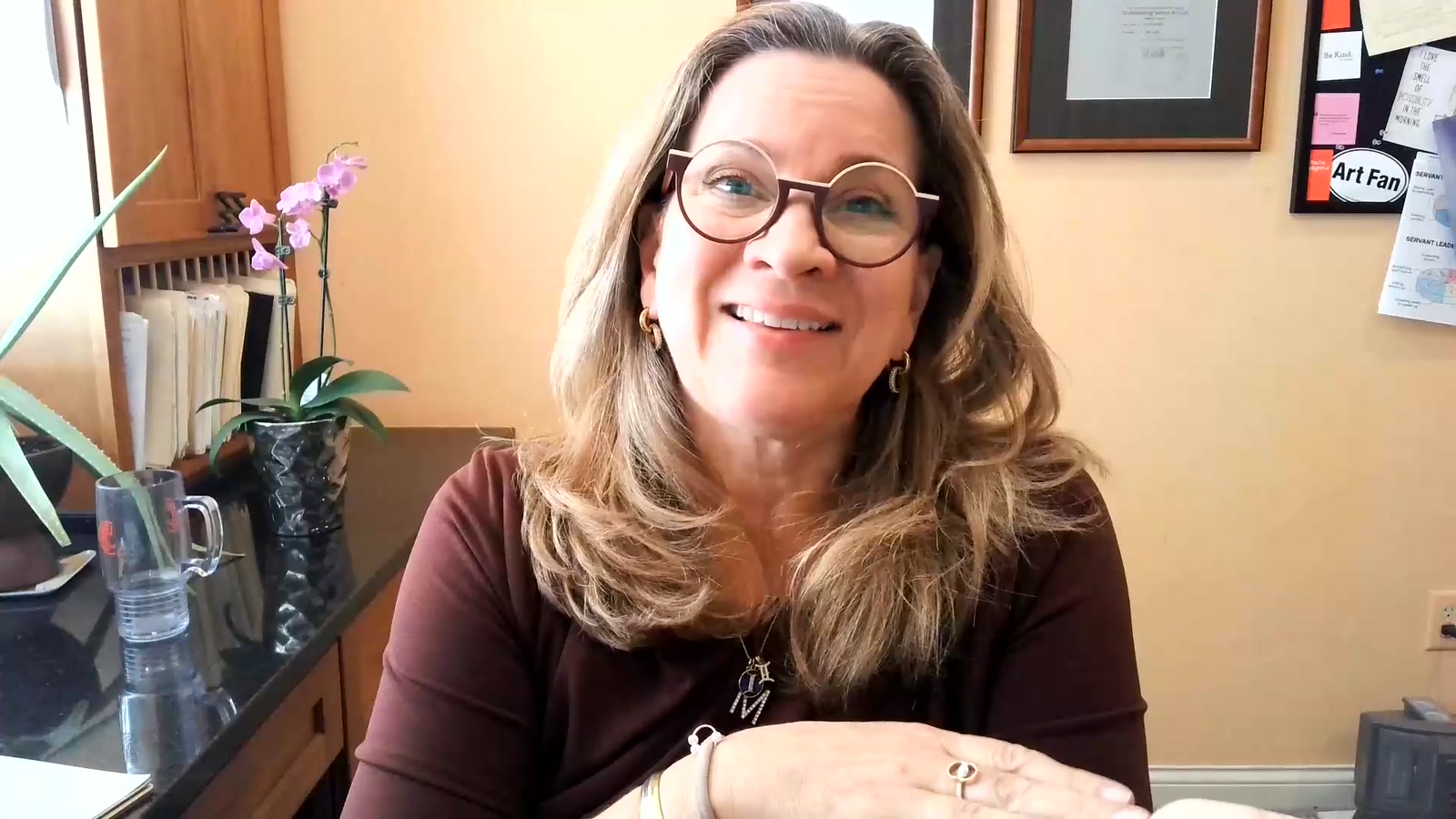
Patrick Somers runs an HVAC, plumbing and electrical company and hosts The Tradepreneur Show. He insisted the SalesAsk rollout happen in person, with his techs in the room. Here is why, and what his sales manager saw afterwards.
“As a sales leader, one of the biggest challenges is coaching what you can't see.”
Micah Hébert, Sales Manager
General Air Conditioning & Plumbing sells across three trades: HVAC, plumbing and electrical. Its sales organization is not one team but several, covering the Costco Program, sales lead coordination, inside sales, comfort advisors and field sales technicians.
Every one of those roles has conversations a manager will never witness. That is the shape of the problem in home services generally, and it was the shape of it here. A sales leader can see the outcome of a visit, whether it sold and for how much, and almost nothing about the conversation that produced it.
So coaching gets built on inference. Micah Hébert, who runs sales at General Air, names the cost of that directly: you end up relying solely on results or assumptions rather than on what actually happened in the home.
There is a second problem underneath the first, and it is the one that kills most rollouts. Any tool that records field conversations has to be accepted by the field. If the techs read it as monitoring, adoption dies quietly. The app gets left in the van, the recording gets forgotten, and six months later the data is too thin to coach from.
Patrick Somers, the company's president and CEO and host of The Tradepreneur Show, went into the rollout knowing that.
“It has allowed us to develop our people faster, hold them accountable, and deliver a better experience for our customers.”
Micah Hébert, Sales Manager
The onboarding is what Patrick talks about. What changed afterwards is best described by the person running the sales floor.
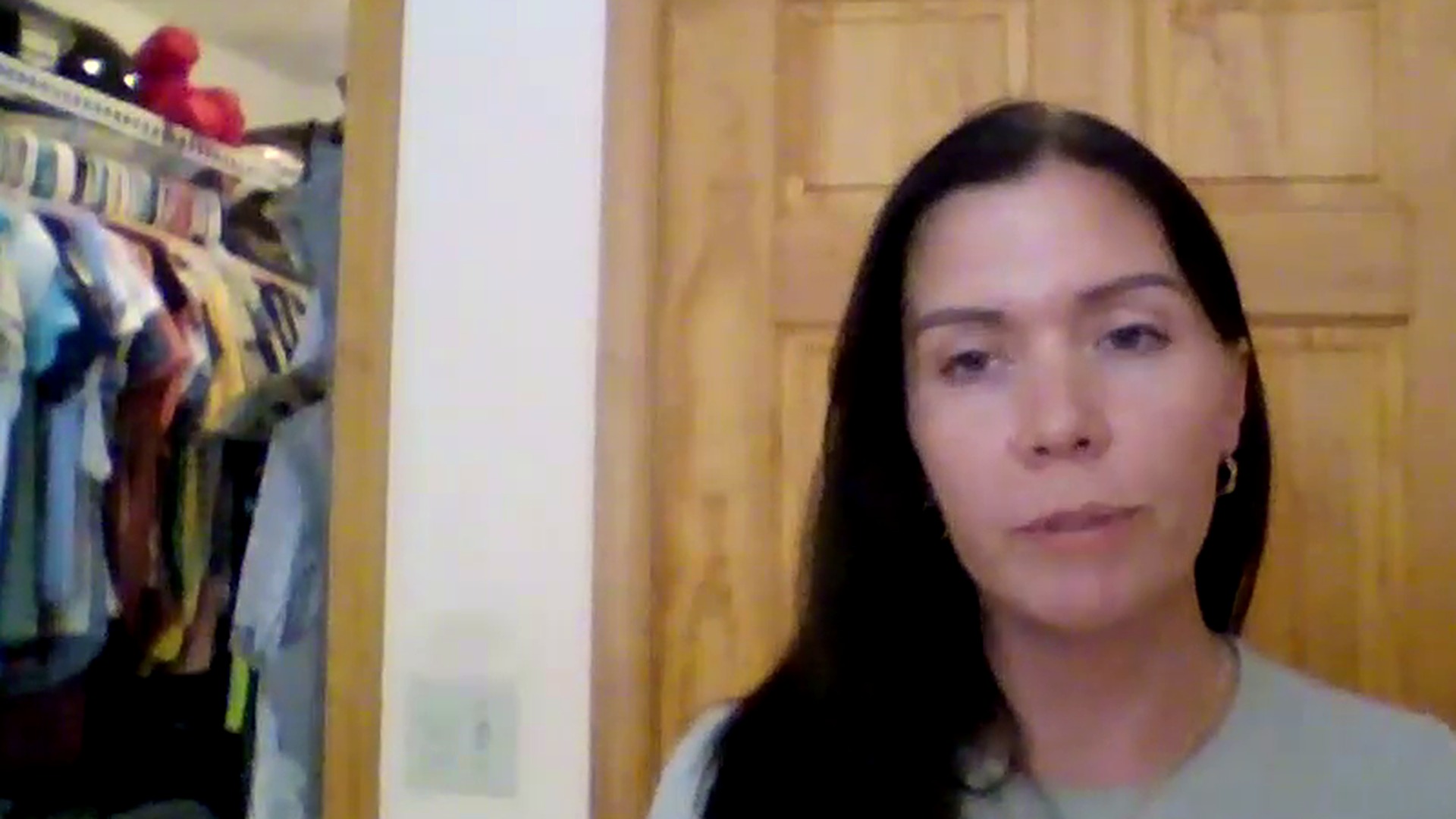
Coaching moved from assumption to evidence. Micah now has real insight into his team's customer interactions and can understand what is actually happening in the home, rather than inferring it from the result.
“SalesAsk changed that for me by giving me real insight into my team's customer interactions, allowing me to understand what is actually happening in the home rather than relying solely on results or assumptions.”
Three things followed from that, in his words: an improved sales process, stronger customer communication, and more meaningful coaching conversations. Not more coaching, but more meaningful coaching, which is a different claim and a more useful one.
And people develop faster. That is the outcome Micah puts first when asked what matters most: developing people faster, holding them accountable, and delivering a better experience for the customer.
“SalesAsk has become a valuable tool for our organization, and I look forward to continuing to leverage it as we grow.”
“I am so glad that we did an onsite onboarding.”
Plenty of software gets handed to a field team over a video call. Patrick did not want that. SalesAsk was rolled out at General Air in person, with the SalesAsk team in the building alongside the techs.
His reasoning was practical. Three things had to happen in the same room:
- Get the techs dialed in. Phones set up, the app working, the sales steps configured to how General Air actually sells. Done once, properly, rather than chased over two weeks of support tickets.
- Verify it. Someone from SalesAsk confirming on site that everything was set the way it should be, instead of assuming it was.
- Be there for the questions. Not a deck, but a person answering whatever the techs raised, in the moment, in front of their colleagues.
“Being able to get the techs all dialed in, and you verifying that everything is set like it should be, and then be here to engage with them, ask the questions or answer the questions that they're asking. I believe it took their confidence in the tool to a whole other level.”
That last phrase is the one worth keeping. The onsite day was not really about configuration. It was about confidence. A field team that trusts a tool uses it. A field team that suspects it finds ways not to.
Patrick came in with high expectations and says they were exceeded. He is specific about why:
“It was really your ability to meet the techs where they were in learning this new tool.”
Related Stories




Ready to convert
every conversation?
See exactly what’s holding your team back and fix it fast.
.avif)