The 12 Questions Contractors Ask in Every SalesAsk Demo (Answered)
Dara Shabnam
Head of Growth, SalesAsk
August 17, 2026
7
On this page
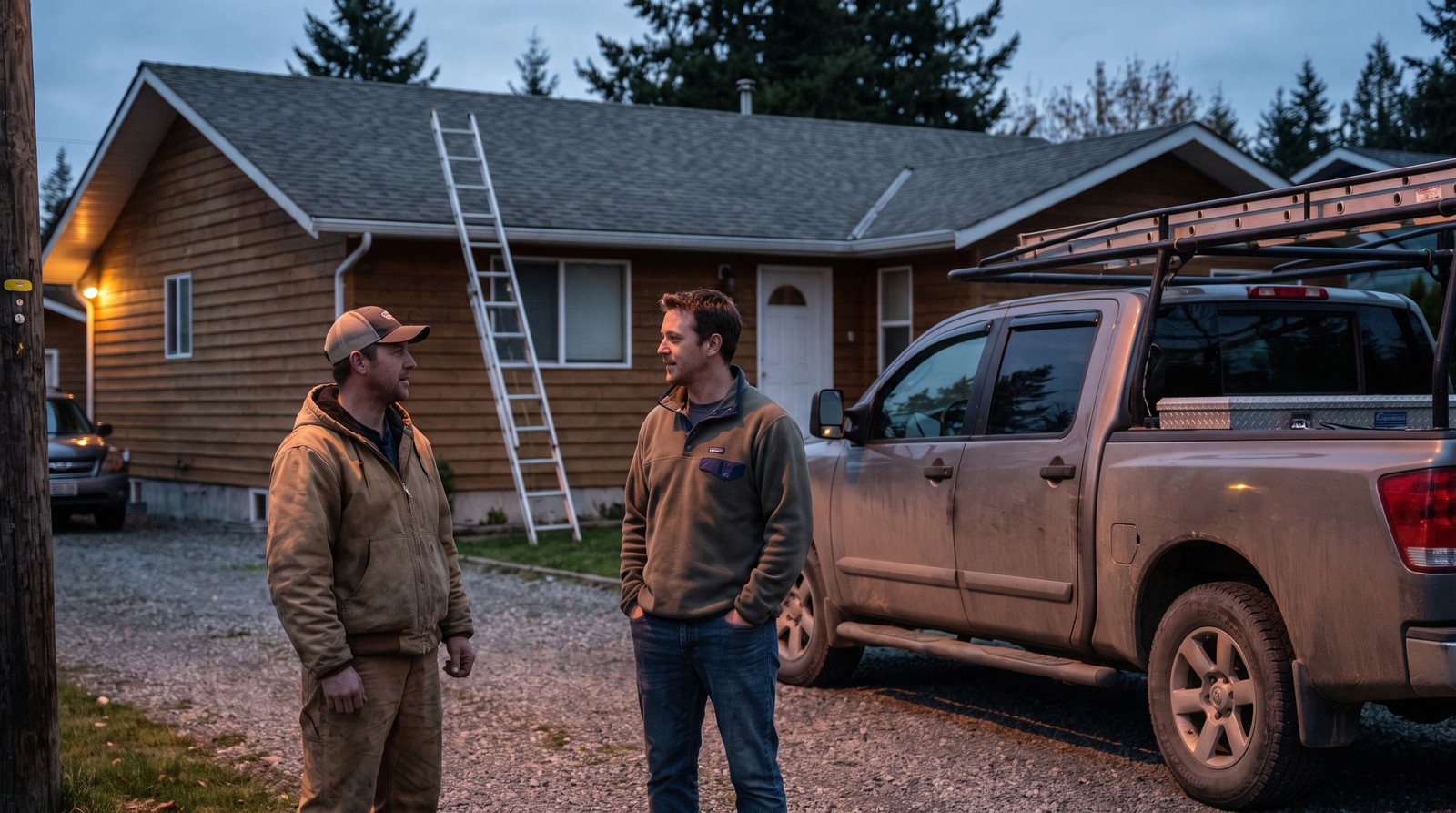
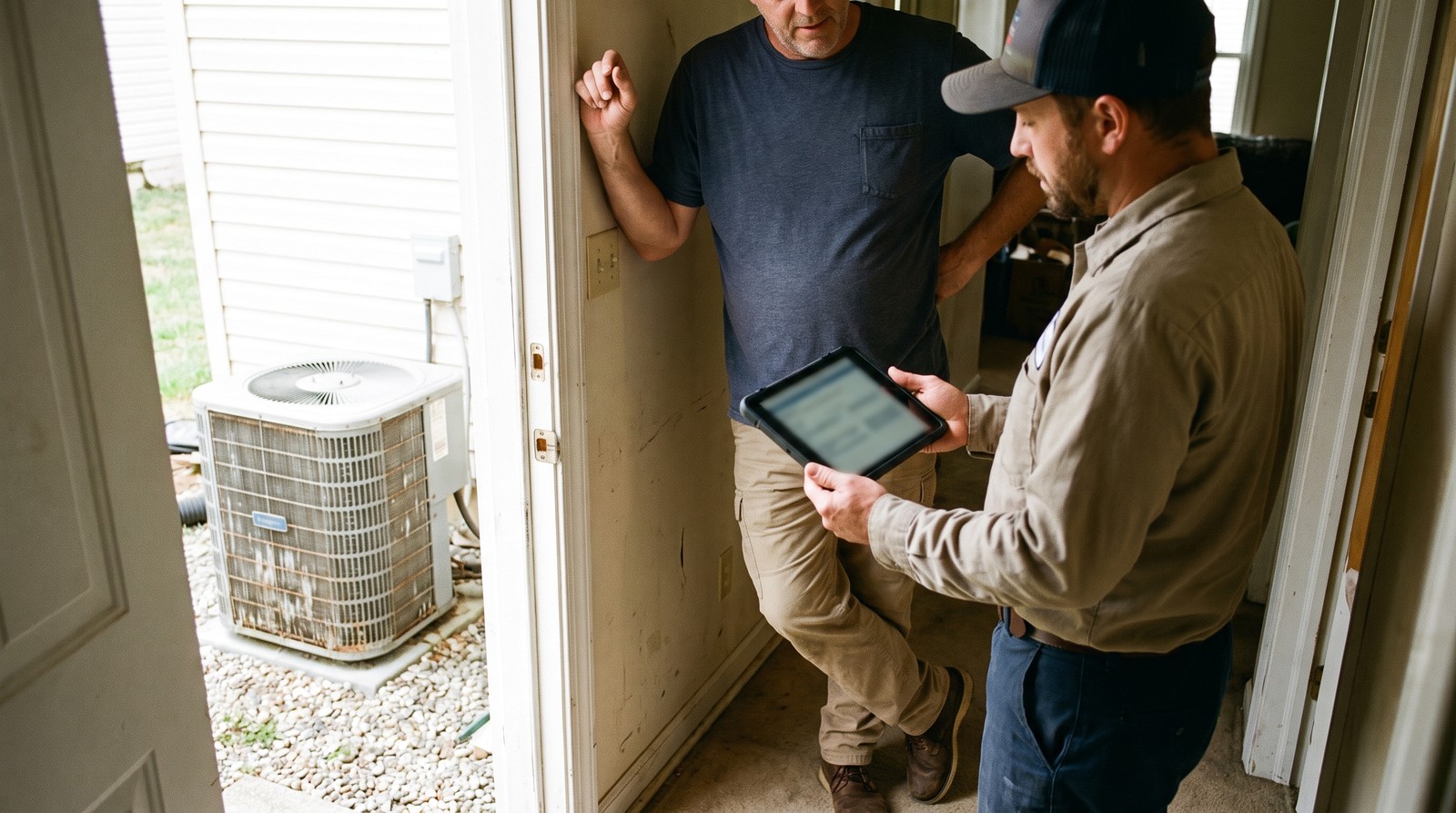
Fifteen minutes into a demo last week, a roofing owner stopped me mid-sentence. "Skip the dashboard tour," he said. "I have four questions, and if I like the answers, we're done." He is not unusual. After hundreds of demos with HVAC companies, roofers, builders, and kitchen and bath remodelers, I can tell you the questions barely change. Contractors are practical buyers. They want to know if this is legal, if their reps will fight it, what it costs, and how it stacks up against the other names on their shortlist.
So here they are: the questions that come up in nearly every SalesAsk demo, answered the way I answer them live, including the parts where the answer is "it depends" or "we're not the best fit for that."
If you run a home services sales team and want every appointment coached, not only the ones a manager can sit in on, book a SalesAsk demo.
Is it legal to record in-home sales calls?
Yes, in every US state, as long as you follow your state's consent rules, which in most states means only your rep needs to consent, and in roughly a dozen states means the homeowner must agree too.
This is the first question in almost every demo, and it deserves a real answer rather than a shrug. Most states are one-party consent: if your rep knows the conversation is being recorded, that is enough. Around a dozen states, California, Florida, Illinois, Massachusetts, Pennsylvania, and Washington among them, require all parties to consent. In those states, your reps disclose the recording, and the vast majority of homeowners say yes without a second thought, especially when it's framed as "my company records my appointments for quality and training, that okay?"
We walk every new customer through their specific state during onboarding, and we published a consent and privacy guide you can hand to your reps. One honest caveat: I'm a growth leader, not a lawyer, and if you operate across state lines you should run your disclosure script past counsel once. It takes an hour and settles the question permanently.
Will my reps actually adopt this, or will they revolt?
Reps resist recording when it's positioned as surveillance and adopt it quickly when the first thing it does is defend them.
Every owner in every demo worries about this, usually because a previous tool died in the truck. Here's the pattern we see. Rollouts fail when the recordings are used to catch people doing things wrong. They stick when the first coaching conversation is about what a rep did well, and when a recording settles a "the customer said X" dispute in the rep's favor. That happens within the first month, almost every time, and it changes the room.
The tradeoff I concede in demos: your bottom performers will not love this, ever. Recording removes the fog that mediocre reps operate in. A few will quit. Most owners I talk to consider that a feature, but you should go in expecting it rather than being surprised by it.
What does the homeowner think about being recorded?
Almost nothing: homeowners live in a world of doorbell cameras and recorded service lines, and a plain one-sentence disclosure barely registers.
Owners imagine an awkward moment at the kitchen table. In practice, the disclosure takes five seconds and the appointment moves on. Some of our customers report the opposite effect: telling a homeowner "we record so my manager can make sure I quoted you right" reads as accountability, not intrusion. Contractors selling in all-party consent states have closed at the same rates as before recording, and a few have made the disclosure part of their trust pitch.
How is SalesAsk different from Rilla and Siro?
All three record and analyze in-home sales conversations; the differences are price, how coaching actually gets delivered, and what happens after the appointment ends.
I never pretend the competition doesn't exist. Most people in my demos are evaluating at least one of them. Rilla is the biggest name, built around virtual ride-alongs, and priced for large organizations. Siro is strong on rep-driven self-review with a hardware-light mobile approach. Both are real products with real customers. Where we win: we're built only for home services, we're priced for companies that don't have a five-person sales-enablement department, and coaching runs through the platform rather than depending on a manager finding hours to listen. Where we lose: if you're a 200-rep organization that wants a dedicated enterprise success team and doesn't mind paying for it, Rilla is a fair choice.
The longer version, with feature tables, is in our Siro vs Rilla comparison and our 2026 tools roundup.
What happens after my rep leaves the house?
This used to be the gap in every coaching platform, including ours: it's why we built Homeplan, which turns the appointment into a digital proposal the homeowner can revisit, share, and act on after the truck pulls away.
This question has taken over my demos since July. Everyone has finally noticed the same uncomfortable number: most in-home sales aren't lost at the kitchen table, they're lost in the days after, when the spouse who wasn't home asks questions the homeowner can't answer and a paper quote sits in a kitchen drawer next to two competitors' paper quotes. Coaching the appointment fixes the first half of the sale. Homeplan is our answer to the second half: the homeowner leaves the appointment with a link, not a folder, the proposal, the options discussed, the photos from the attic, the financing math. When it gets opened Thursday night, your rep knows, and follows up while the deal is warm instead of guessing.
Fair tradeoff to note: if all you want is call recording and nothing homeowner-facing, this may be more than you need on day one. It's included, not extra, so most customers grow into it.
What does it cost, and what's the actual ROI?
SalesAsk starts at a per-rep price a mid-sized contractor can approve without a board meeting, and the ROI case is one recovered job per rep per quarter.
I give ranges rather than a single number in public because pricing depends on team size and whether you want roleplay and Homeplan bundled. The demo is where we quote it, and we quote it in the first meeting, not after a "pricing call." The math I walk through: take your average ticket, take one additional closed job per rep per quarter, and compare that against the subscription. For an HVAC company with a $12,000 average replacement ticket, a single recovered job pays for a rep's seat many times over. We published the detailed numbers, with customer examples, in our ROI data post.
What I tell owners to be skeptical of, from us or anyone: percentage-lift promises quoted without a baseline. A "35% close-rate improvement" means nothing until you know what the team closed at before, and any vendor who leads with that number in a demo should get follow-up questions.
How fast can we be live, and what does rollout ask of me?
Recording starts the week you sign; the real work is the 30 days of manager habit-building that follows, and skipping it is the main way rollouts fail.
The software part is quick: reps install an app, managers get dashboards. The part that determines success is whether your sales manager actually builds a weekly rhythm around the recordings: one clip reviewed per rep, one skill per week. We run that cadence with you for the first month. If your managers won't commit even to that, I'd rather tell you in the demo that the tool alone won't move your close rate. Software doesn't coach people into better appointments; it makes the coaching your managers were already trying to do finally possible at scale.
What do these answers look like side by side?
Here's the demo, compressed into one table.
| The question | The short answer | The tradeoff I'll admit |
|---|---|---|
| Is recording legal? | Yes in all 50 states with the right consent script | About a dozen states need homeowner consent too |
| Will reps adopt it? | Yes, when it defends them before it grades them | Some bottom performers will opt out, of the job |
| Do homeowners mind? | Rarely; disclosure takes five seconds | Your reps need a script, not improvisation |
| Why not Rilla or Siro? | Price, home-services focus, built-in coaching loop | Enterprise teams may prefer Rilla's success org |
| After the rep leaves? | Homeplan carries the sale through the follow-up window | Overkill if you only want recording |
| ROI? | One recovered job per rep per quarter clears the bar | Distrust lift percentages without baselines, ours included |
| Time to live? | Recording in week one | Managers must commit to a 30-day cadence |
FAQ
How long is a SalesAsk demo?
Thirty minutes if you want the tour, forty-five if you bring real questions. Bring the questions.
Should my sales manager join the demo?
Yes, more than anyone else. The manager runs the weekly coaching rhythm, so their buy-in matters more than the owner's.
Can we pilot with one crew before rolling out company-wide?
Yes, and I recommend it. Pick your most respected rep, not your best closer, adoption spreads from credibility, not from leaderboards.
Do you show our own calls in the demo, or canned examples?
First demo uses example calls. If you pilot, the second conversation reviews your team's real recordings, which is where most owners decide.
We already use Rilla or Siro. Is switching painful?
The mechanics are easy. There's no data migration worth worrying about. The switching cost is re-training habits, so we map your existing scorecards into SalesAsk before your reps ever open the app.
What should you do with all this?
If you're evaluating any coaching platform, ours, Rilla's, Siro's, steal this list. Ask every vendor these same seven questions and write the answers down. The demos where a buyer shows up with questions like these are the demos where somebody buys the right tool, and I'd rather lose a sharp buyer to a competitor than win a fuzzy one who churns in six months. And if you want to ask me directly, the demo calendar is on the site.
Sources
- Justia, "Recording Phone Calls and Conversations", 50-state consent-law survey: justia.com/50-state-surveys/recording-phone-calls-and-conversations
- Reporters Committee for Freedom of the Press, "Reporter's Recording Guide", state-by-state consent requirements: rcfp.org/reporters-recording-guide
About the author
Dara Shabnam
Head of Growth, SalesAsk
Dara Shabnam leads growth at SalesAsk. She writes about in-home sales training, recording consent, and what the recorded conversations of home service and trades teams show about how jobs are actually won.
Dara Shabnam
About SalesAsk
Written by the SalesAsk team
SalesAsk records and coaches in-home sales conversations for home service, home improvement and home builder teams.
More postsKeep reading
All posts

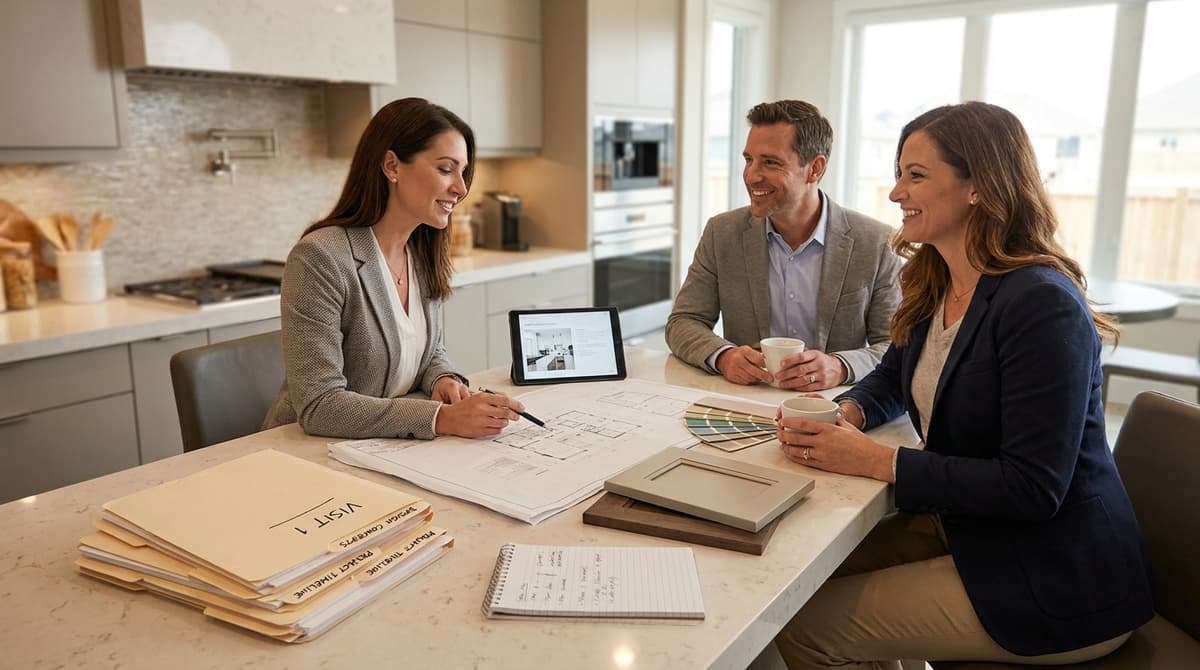

Fifteen minutes into a demo last week, a roofing owner stopped me mid-sentence. "Skip the dashboard tour," he said. "I have four questions, and if I like the answers, we're done." He is not unusual. After hundreds of demos with HVAC companies, roofers, builders, and kitchen and bath remodelers, I can tell you the questions barely change. Contractors are practical buyers. They want to know if this is legal, if their reps will fight it, what it costs, and how it stacks up against the other names on their shortlist.
So here they are: the questions that come up in nearly every SalesAsk demo, answered the way I answer them live, including the parts where the answer is "it depends" or "we're not the best fit for that."
If you run a home services sales team and want every appointment coached, not only the ones a manager can sit in on, book a SalesAsk demo.
Is it legal to record in-home sales calls?
Yes, in every US state, as long as you follow your state's consent rules, which in most states means only your rep needs to consent, and in roughly a dozen states means the homeowner must agree too.
This is the first question in almost every demo, and it deserves a real answer rather than a shrug. Most states are one-party consent: if your rep knows the conversation is being recorded, that is enough. Around a dozen states, California, Florida, Illinois, Massachusetts, Pennsylvania, and Washington among them, require all parties to consent. In those states, your reps disclose the recording, and the vast majority of homeowners say yes without a second thought, especially when it's framed as "my company records my appointments for quality and training, that okay?"
We walk every new customer through their specific state during onboarding, and we published a consent and privacy guide you can hand to your reps. One honest caveat: I'm a growth leader, not a lawyer, and if you operate across state lines you should run your disclosure script past counsel once. It takes an hour and settles the question permanently.
Will my reps actually adopt this, or will they revolt?
Reps resist recording when it's positioned as surveillance and adopt it quickly when the first thing it does is defend them.
Every owner in every demo worries about this, usually because a previous tool died in the truck. Here's the pattern we see. Rollouts fail when the recordings are used to catch people doing things wrong. They stick when the first coaching conversation is about what a rep did well, and when a recording settles a "the customer said X" dispute in the rep's favor. That happens within the first month, almost every time, and it changes the room.
The tradeoff I concede in demos: your bottom performers will not love this, ever. Recording removes the fog that mediocre reps operate in. A few will quit. Most owners I talk to consider that a feature, but you should go in expecting it rather than being surprised by it.
What does the homeowner think about being recorded?
Almost nothing: homeowners live in a world of doorbell cameras and recorded service lines, and a plain one-sentence disclosure barely registers.
Owners imagine an awkward moment at the kitchen table. In practice, the disclosure takes five seconds and the appointment moves on. Some of our customers report the opposite effect: telling a homeowner "we record so my manager can make sure I quoted you right" reads as accountability, not intrusion. Contractors selling in all-party consent states have closed at the same rates as before recording, and a few have made the disclosure part of their trust pitch.
How is SalesAsk different from Rilla and Siro?
All three record and analyze in-home sales conversations; the differences are price, how coaching actually gets delivered, and what happens after the appointment ends.
I never pretend the competition doesn't exist. Most people in my demos are evaluating at least one of them. Rilla is the biggest name, built around virtual ride-alongs, and priced for large organizations. Siro is strong on rep-driven self-review with a hardware-light mobile approach. Both are real products with real customers. Where we win: we're built only for home services, we're priced for companies that don't have a five-person sales-enablement department, and coaching runs through the platform rather than depending on a manager finding hours to listen. Where we lose: if you're a 200-rep organization that wants a dedicated enterprise success team and doesn't mind paying for it, Rilla is a fair choice.
The longer version, with feature tables, is in our Siro vs Rilla comparison and our 2026 tools roundup.
What happens after my rep leaves the house?
This used to be the gap in every coaching platform, including ours: it's why we built Homeplan, which turns the appointment into a digital proposal the homeowner can revisit, share, and act on after the truck pulls away.
This question has taken over my demos since July. Everyone has finally noticed the same uncomfortable number: most in-home sales aren't lost at the kitchen table, they're lost in the days after, when the spouse who wasn't home asks questions the homeowner can't answer and a paper quote sits in a kitchen drawer next to two competitors' paper quotes. Coaching the appointment fixes the first half of the sale. Homeplan is our answer to the second half: the homeowner leaves the appointment with a link, not a folder, the proposal, the options discussed, the photos from the attic, the financing math. When it gets opened Thursday night, your rep knows, and follows up while the deal is warm instead of guessing.
Fair tradeoff to note: if all you want is call recording and nothing homeowner-facing, this may be more than you need on day one. It's included, not extra, so most customers grow into it.
What does it cost, and what's the actual ROI?
SalesAsk starts at a per-rep price a mid-sized contractor can approve without a board meeting, and the ROI case is one recovered job per rep per quarter.
I give ranges rather than a single number in public because pricing depends on team size and whether you want roleplay and Homeplan bundled. The demo is where we quote it, and we quote it in the first meeting, not after a "pricing call." The math I walk through: take your average ticket, take one additional closed job per rep per quarter, and compare that against the subscription. For an HVAC company with a $12,000 average replacement ticket, a single recovered job pays for a rep's seat many times over. We published the detailed numbers, with customer examples, in our ROI data post.
What I tell owners to be skeptical of, from us or anyone: percentage-lift promises quoted without a baseline. A "35% close-rate improvement" means nothing until you know what the team closed at before, and any vendor who leads with that number in a demo should get follow-up questions.
How fast can we be live, and what does rollout ask of me?
Recording starts the week you sign; the real work is the 30 days of manager habit-building that follows, and skipping it is the main way rollouts fail.
The software part is quick: reps install an app, managers get dashboards. The part that determines success is whether your sales manager actually builds a weekly rhythm around the recordings: one clip reviewed per rep, one skill per week. We run that cadence with you for the first month. If your managers won't commit even to that, I'd rather tell you in the demo that the tool alone won't move your close rate. Software doesn't coach people into better appointments; it makes the coaching your managers were already trying to do finally possible at scale.
What do these answers look like side by side?
Here's the demo, compressed into one table.
| The question | The short answer | The tradeoff I'll admit |
|---|---|---|
| Is recording legal? | Yes in all 50 states with the right consent script | About a dozen states need homeowner consent too |
| Will reps adopt it? | Yes, when it defends them before it grades them | Some bottom performers will opt out, of the job |
| Do homeowners mind? | Rarely; disclosure takes five seconds | Your reps need a script, not improvisation |
| Why not Rilla or Siro? | Price, home-services focus, built-in coaching loop | Enterprise teams may prefer Rilla's success org |
| After the rep leaves? | Homeplan carries the sale through the follow-up window | Overkill if you only want recording |
| ROI? | One recovered job per rep per quarter clears the bar | Distrust lift percentages without baselines, ours included |
| Time to live? | Recording in week one | Managers must commit to a 30-day cadence |
FAQ
How long is a SalesAsk demo?
Thirty minutes if you want the tour, forty-five if you bring real questions. Bring the questions.
Should my sales manager join the demo?
Yes, more than anyone else. The manager runs the weekly coaching rhythm, so their buy-in matters more than the owner's.
Can we pilot with one crew before rolling out company-wide?
Yes, and I recommend it. Pick your most respected rep, not your best closer, adoption spreads from credibility, not from leaderboards.
Do you show our own calls in the demo, or canned examples?
First demo uses example calls. If you pilot, the second conversation reviews your team's real recordings, which is where most owners decide.
We already use Rilla or Siro. Is switching painful?
The mechanics are easy. There's no data migration worth worrying about. The switching cost is re-training habits, so we map your existing scorecards into SalesAsk before your reps ever open the app.
What should you do with all this?
If you're evaluating any coaching platform, ours, Rilla's, Siro's, steal this list. Ask every vendor these same seven questions and write the answers down. The demos where a buyer shows up with questions like these are the demos where somebody buys the right tool, and I'd rather lose a sharp buyer to a competitor than win a fuzzy one who churns in six months. And if you want to ask me directly, the demo calendar is on the site.
Sources
- Justia, "Recording Phone Calls and Conversations", 50-state consent-law survey: justia.com/50-state-surveys/recording-phone-calls-and-conversations
- Reporters Committee for Freedom of the Press, "Reporter's Recording Guide", state-by-state consent requirements: rcfp.org/reporters-recording-guide